
You spend hours on your feet every shift, and your sneakers take the brunt of it. Knowing how to clean work sneakers properly keeps them looking sharp, extends their life, and — especially for restaurant and kitchen workers — removes the kind of grime that can actually shorten the life of the materials. This guide walks you through the whole process, step by step.
On This Page
Why Cleaning Work Sneakers Matters More Than You Think
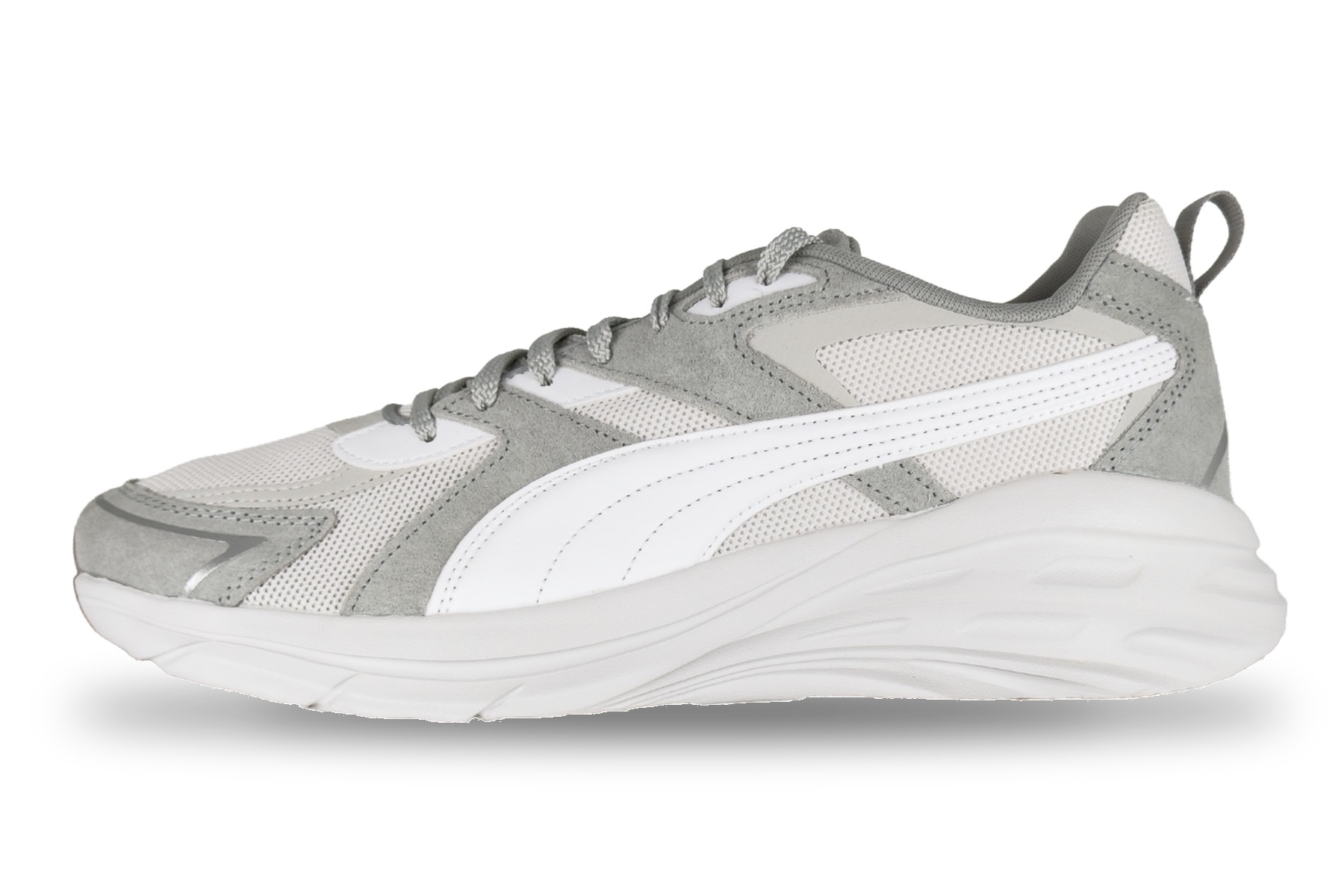
It’s easy to think of cleaning as purely cosmetic. But dirty sneakers are more than just an eyesore. Grease, food residue, and moisture that gets trapped in the fabric and foam can break down your shoe’s structure far faster than normal wear.
For restaurant and hospitality workers, cleaning restaurant shoes is also a hygiene issue. Shoes that carry kitchen grease and food particles can track contamination into different areas of your workplace. Regular cleaning is part of keeping a professional, clean environment.
Clean sneakers also make a visible impression. In customer-facing roles, your footwear is part of your presentation. A well-maintained pair of black work sneakers sends a message that you take your job seriously. A pair caked in yesterday’s shift sends the opposite message.
What You’ll Need to Clean Your Work Sneakers
You don’t need a lot of supplies to do this right. Here’s a simple kit that handles most cleaning situations:
- A soft-bristle brush (an old toothbrush works well for detail work)
- A medium-stiff brush for outsoles
- Mild dish soap or dedicated sneaker cleaner
- Warm water
- A clean microfiber cloth or old towel
- Baking soda (for odor)
- White vinegar (optional, for stubborn stains)
You can find sneaker cleaning kits at most shoe stores or online for under $15. They typically include a brush, cleaning solution, and a cloth — everything you need in one package. That said, dish soap and a toothbrush get the job done just as well for most situations.
How to Clean the Upper — Leather, Mesh, and Synthetic
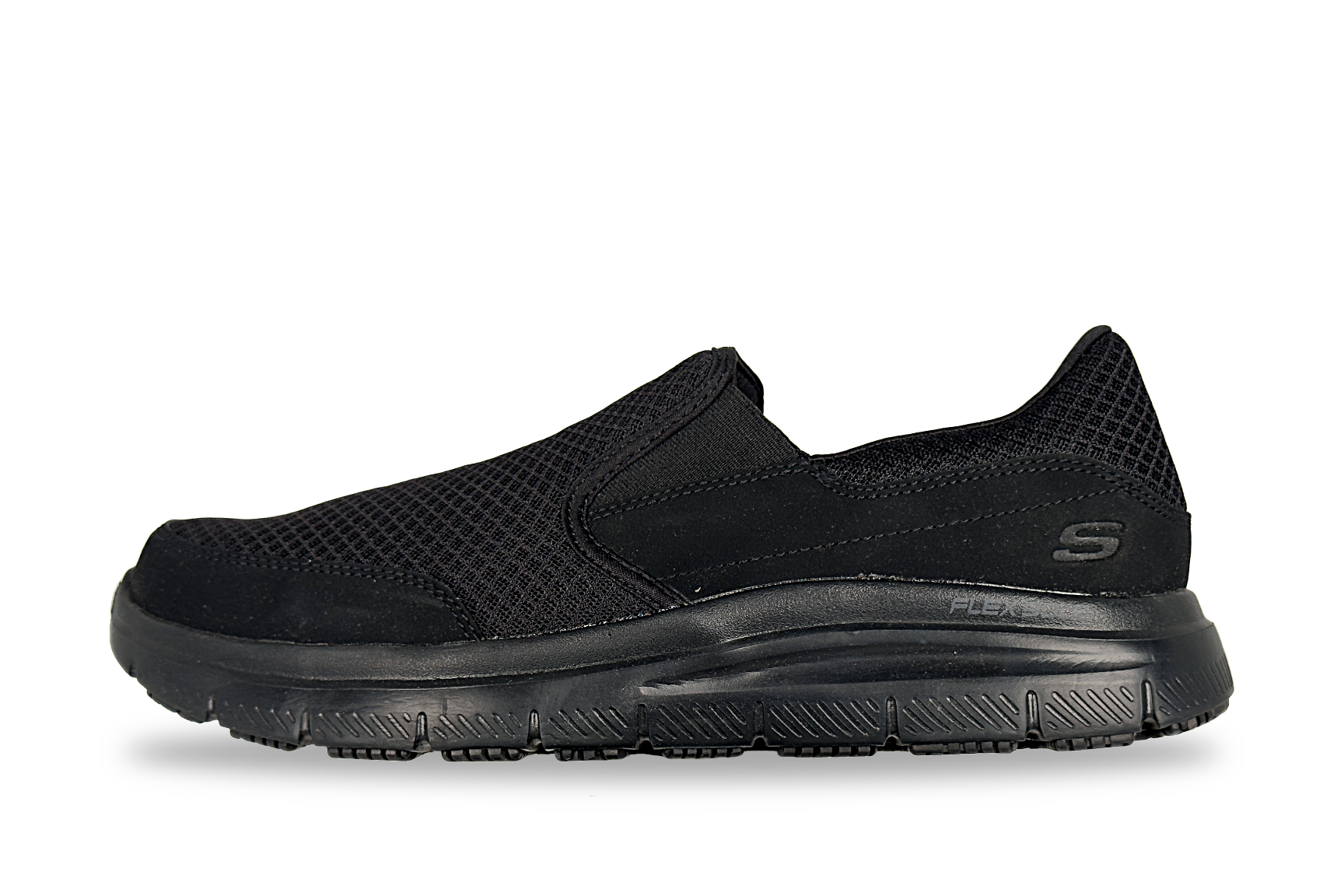
The upper is the most visible part of your sneaker, so it deserves the most attention. The right technique depends on what your upper is made of.
Leather Uppers
Leather is durable and easy to maintain. Wipe the surface with a damp cloth to remove loose dirt. Then use a small amount of mild soap on a soft brush or cloth and work it gently into the leather in circular motions. Wipe clean with a damp cloth and allow to air dry. Avoid soaking leather — it can warp and crack if it gets too wet.
Once the shoe is dry, apply a leather conditioner or a small amount of shoe polish to restore the finish. This prevents cracking and keeps the color rich. For how to clean black sneakers with leather uppers, black shoe polish also covers minor scuffs and keeps the surface looking fresh.
Mesh Uppers
Mesh requires a gentler touch. Mix a small amount of mild soap with warm water. Dip your soft brush into the solution and scrub the mesh in small, gentle circles. Rinse with a clean damp cloth rather than running water directly on the shoe. Mesh can hold moisture, so squeeze out excess water and let the shoe air dry completely — ideally overnight.
Synthetic Uppers
Synthetic materials are the most forgiving. Use the same soap-and-brush method as mesh, but you can scrub a bit more vigorously without damaging the material. Synthetic uppers also respond well to a magic eraser for scuffs and surface stains. Wipe clean and air dry.
How to Clean the Outsole and Remove Grease
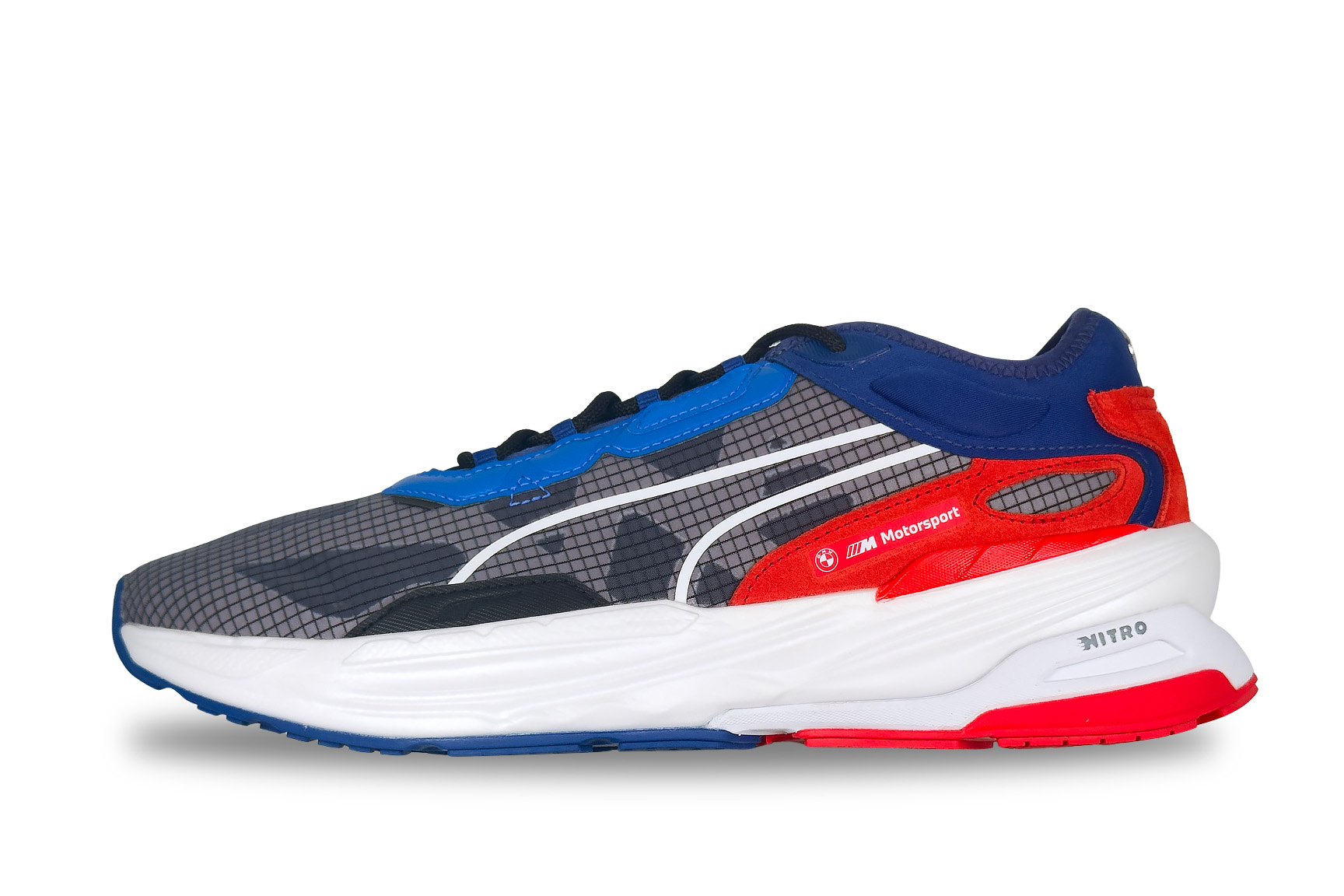
The outsole accumulates the most punishment. Dirt, grease, and debris get packed into the lug pattern and reduce traction over time. Use your stiffer brush dry first to knock out loose debris from the grooves.
For everyday dirt, soap and warm water scrubbed with the stiff brush will clean the outsole thoroughly. Rinse by wiping with a wet cloth.
For work shoe care in restaurant environments, grease is the main challenge. Standard soap cuts through light grease well, but for heavy buildup, dish soap is your best tool — it’s specifically designed to cut grease. Apply it directly to the outsole, let it sit for two to three minutes, then scrub firmly and wipe clean.
White vinegar is another option for grease removal. Mix equal parts vinegar and water, apply to the greasy area, and scrub. The mild acidity breaks down grease without damaging the rubber. This is especially useful for the grooves in slip-resistant outsoles where grease tends to accumulate and reduce grip over time.
You can also learn more about how to choose the right non-slip sneakers for restaurant workers — maintaining those outsoles is key to keeping them effective.
How to Deodorize Work Sneakers
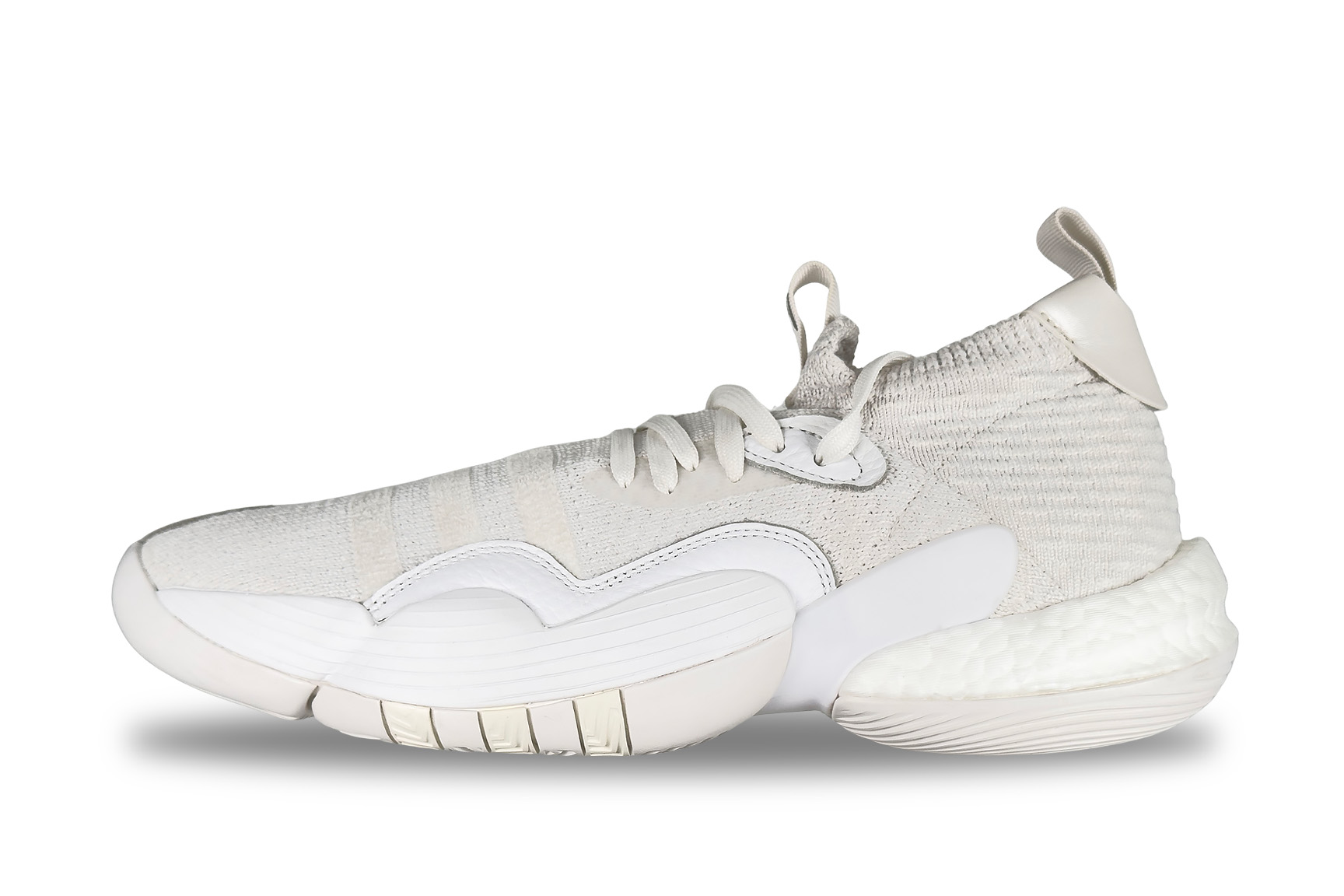
Odor is an inevitable reality of work shoes. Hours of continuous wear in a warm environment creates the perfect conditions for bacteria growth — and bacteria are what cause the smell.
The simplest solution is baking soda. Sprinkle a generous amount into each shoe and leave it overnight. Shake it out in the morning. Baking soda is a natural odor absorber and works on almost any material.
Cedar shoe inserts are a longer-term solution. Cedar naturally absorbs moisture and inhibits bacterial growth. A set of cedar inserts placed in your shoes between shifts will significantly reduce odor buildup over time.
Dedicated sneaker deodorizer sprays are also effective. Look for enzyme-based formulas rather than masking sprays — they actually break down the bacteria causing the smell rather than just covering it up.
If odor is a persistent problem, consider replacing your insoles every three to four months. Insoles absorb the most sweat and are the primary source of odor in most sneakers. Replacement insoles from brands like Dr. Scholl’s are inexpensive and make a noticeable difference.
How Often Should You Clean Work Sneakers?
A quick wipe-down after every shift is the most effective habit you can build. It takes two minutes and prevents buildup from setting in. This is especially true for cleaning restaurant shoes where grease and food residue can harden overnight and become much harder to remove.
A deeper clean — upper, outsole, and deodorizing — should happen about once a week for workers who wear the same pair every day. If you rotate between two pairs, you can extend that to every ten days to two weeks.
As a general rule: the more demanding your environment, the more frequently your sneakers need attention. A server on a busy weekend crew needs to clean their shoes more often than someone working in a dry office environment.
When to Replace Your Work Sneakers
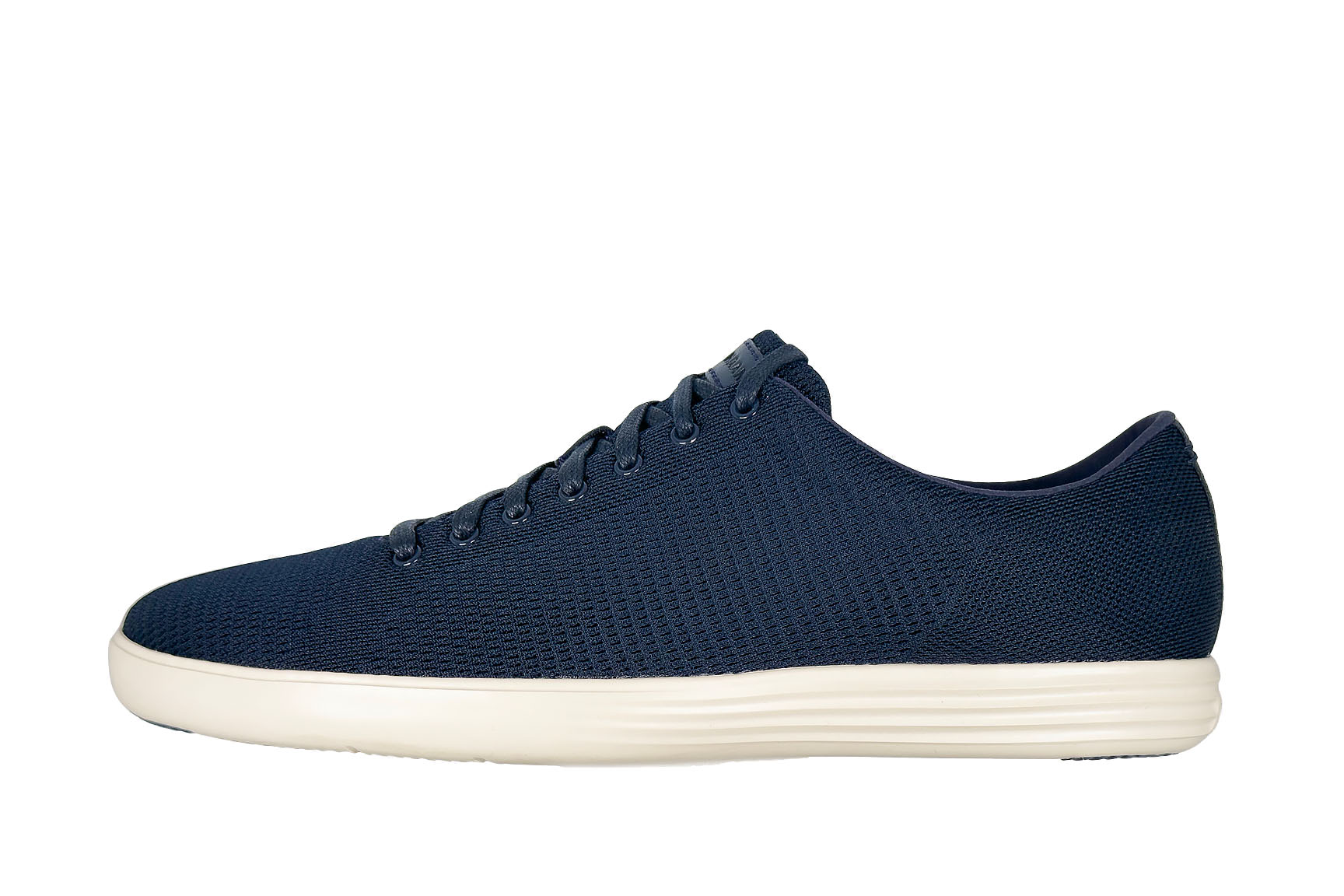
Even with great care, work sneakers have a lifespan. The foam midsole — which provides your cushioning — compresses over time and loses its ability to absorb impact. This happens regardless of how clean the upper looks. A sneaker can look brand-new on the outside and be completely worn out on the inside.
Signs it’s time to replace your work sneakers:
- Your feet or knees ache after shifts in a way they didn’t before
- The outsole tread is worn smooth, especially on a slip-resistant sole
- The midsole feels hard or flat compared to when the shoe was new
- The upper is separating from the sole or has major structural damage
Most work sneakers worn daily last six to twelve months. After that, replacing them is a health and safety issue as much as a style one. The good news is that clearance sneakers make replacing your work shoes an affordable habit. You can find the same brand-name sneakers that sell for $80–$120 at retail for a fraction of that price when you shop clearance.
For more on why so many workers choose black sneakers specifically, check out why restaurant workers and servers wear black sneakers — it goes beyond just dress codes.
Q&A
How often should I clean work sneakers?
A quick wipe-down after every shift is ideal. Do a full deep clean — upper, outsole, and deodorizing — once a week if you wear the same pair daily. Workers in demanding environments like kitchens or warehouses may need to clean more frequently to prevent buildup from setting in.
Can I put work sneakers in the washing machine?
It depends on the material. Mesh and synthetic uppers can often handle a gentle machine wash in a mesh laundry bag with cold water and mild detergent. Remove insoles and laces first. Never machine-wash leather or suede — the heat and agitation will damage them. Always air dry, never use a dryer, as heat breaks down adhesives and foam.
How do I remove grease from restaurant shoes?
Apply dish soap directly to the greasy area on the outsole. Let it sit for two to three minutes, then scrub with a stiff brush. Wipe clean with a damp cloth. For stubborn grease, equal parts white vinegar and water works well. The mild acidity cuts through the buildup without damaging rubber.
How do I get rid of sneaker odor?
Sprinkle baking soda inside each shoe and leave overnight, then shake it out. For ongoing odor control, use cedar shoe inserts between shifts. Replace insoles every three to four months — they absorb the most sweat and are the primary source of odor. Enzyme-based deodorizer sprays also work well by breaking down odor-causing bacteria.
When should I replace my work sneakers?
Replace work sneakers when your feet or joints start aching after shifts, when the outsole tread is worn smooth, or when the midsole feels hard and flat. Most work sneakers last six to twelve months of daily wear. Don’t rely on the upper’s appearance — a shoe can look fine externally while the cushioning is fully depleted.
Get brand-name work sneakers at clearance prices — up to 80% off retail, free nationwide shipping.
Shop Sneakers Under $50 →