
Non-slip sneakers for restaurant workers are one of the most practical footwear investments a food service professional can make. Kitchen floors are slippery. Spills happen constantly — grease, water, sauces, ice. A slip at work isn’t just inconvenient; it can cause a serious injury. The right pair of shoes is the simplest way to protect yourself on every shift.
On This Page
Why Slip Resistance Matters in a Restaurant Environment
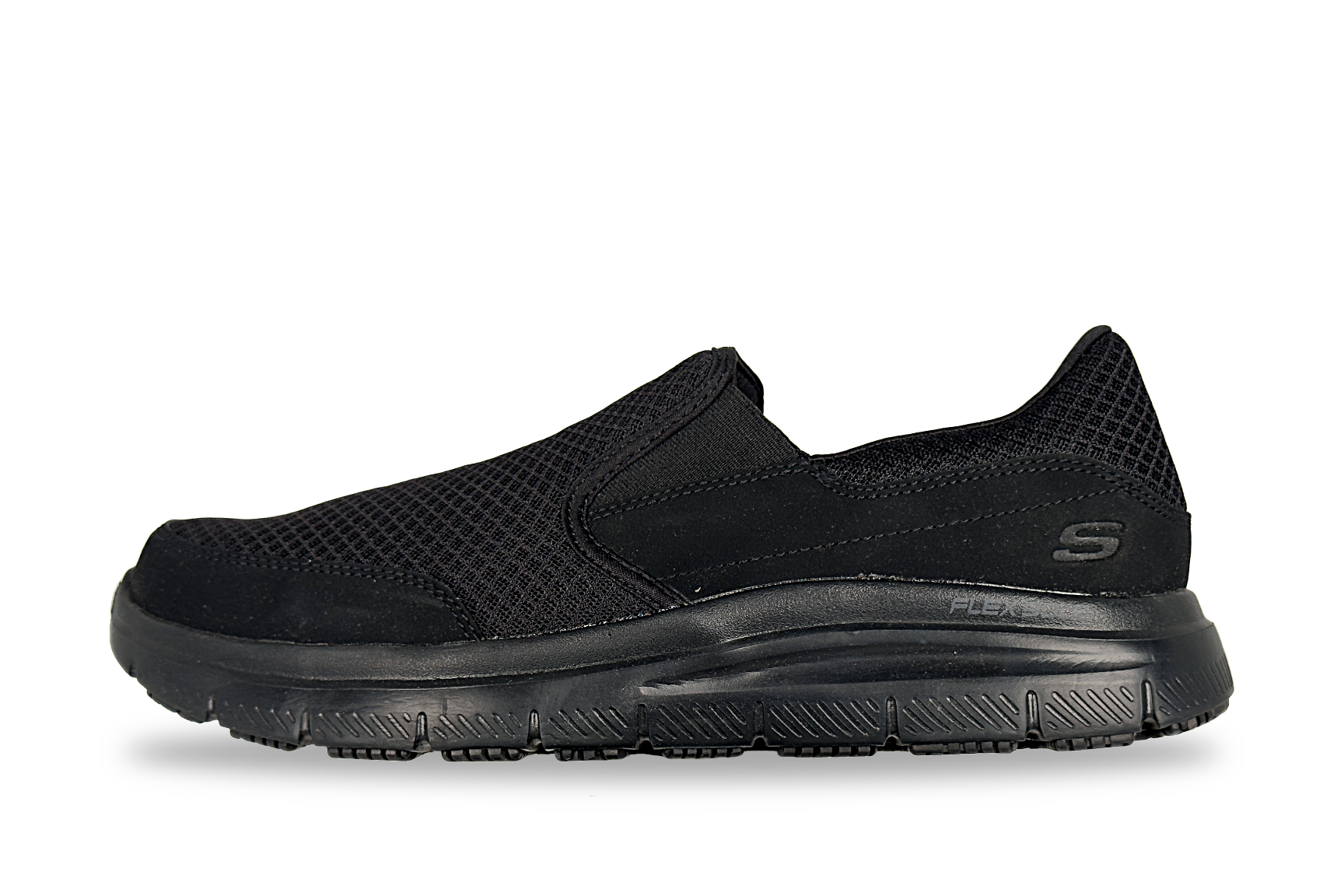
The restaurant environment is uniquely hazardous for footwear. Hard tile or vinyl flooring, combined with grease from cooking and water from constant cleaning, creates some of the most treacherous walking surfaces found in any workplace. Add the speed at which restaurant workers move during service, and the risk of a fall becomes genuinely significant.
According to the National Floor Safety Institute, slips and falls are the leading cause of workers’ compensation claims in the food service industry. They’re also among the most preventable. The outsole of your shoe is the one thing standing between you and a wet kitchen floor — literally.
Slip-resistant work shoes are designed specifically to handle this. They use specialized outsole compounds and tread patterns that create traction on slick surfaces, reducing the coefficient of friction and dramatically lowering your odds of a fall.
What to Look for in Non-Slip Restaurant Sneakers
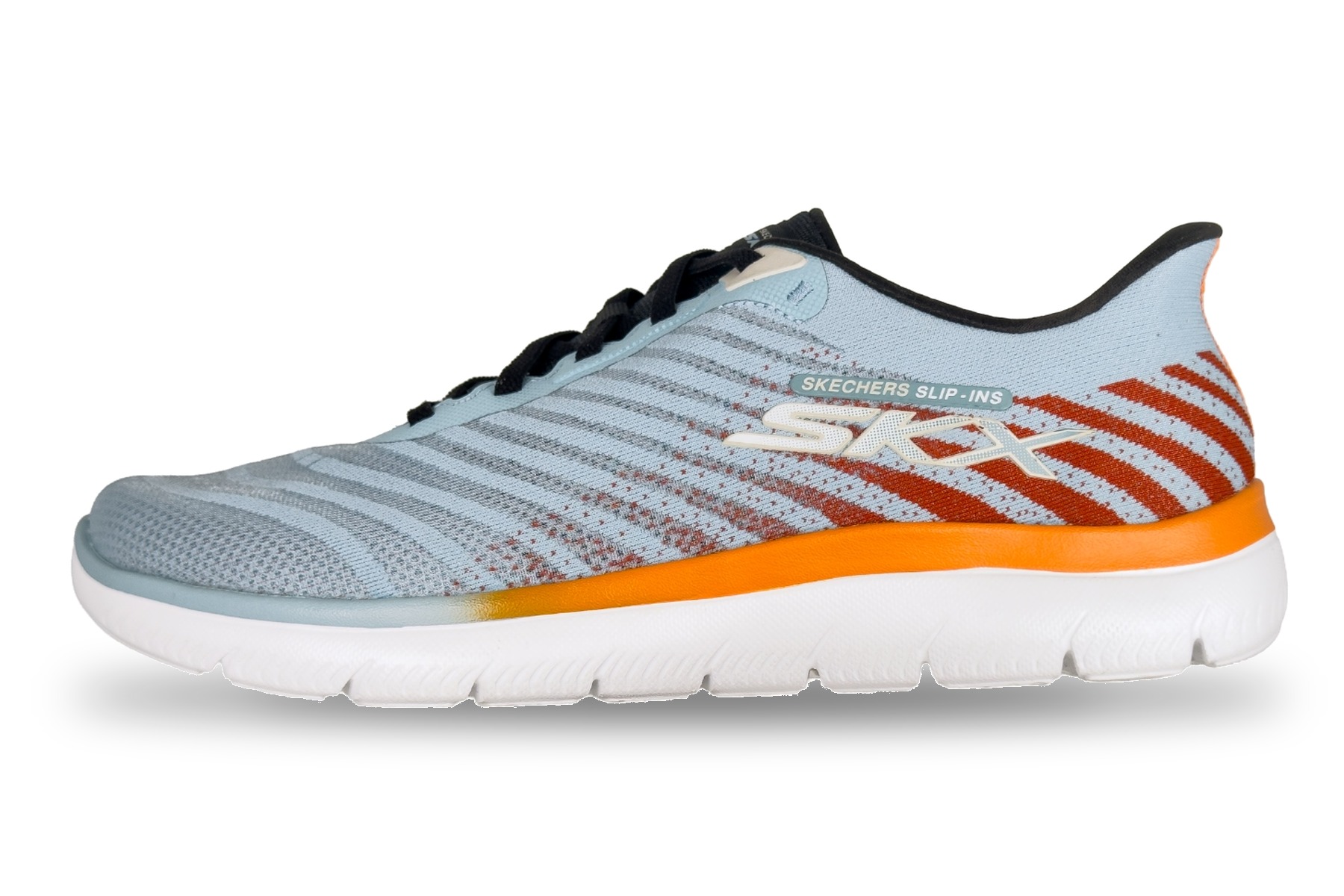
Not all shoes marketed as “non-slip” are created equal. Here’s what to evaluate when choosing the right pair for restaurant work.
Outsole Material
The outsole compound matters more than any other feature for slip resistance. Look for shoes with rubber outsoles specifically rated for wet and oily surfaces. Softer rubber compounds grip better than hard compounds on slick floors. Some brands use proprietary slip-resistant rubber blends — these are worth the attention they call to themselves in product descriptions.
Avoid shoes with smooth leather outsoles or hard plastic outsoles — these provide minimal grip on wet surfaces regardless of tread pattern.
Tread Pattern
The outsole pattern channels water and debris away from the contact surface, maintaining grip even when the floor is wet. Tighter, multidirectional tread patterns tend to outperform wider-spaced lugs on kitchen surfaces. The goal is maximum contact area between the rubber and the floor, with channels that push liquid away.
Some slip-resistant restaurant shoes use a siping pattern — thin, shallow cuts in the outsole that increase flexibility and grip simultaneously. If you see this feature called out, it’s a positive sign for actual slip resistance performance.
Ankle Support and Stability
Restaurant workers are on their feet for six to twelve hours at a stretch, often carrying plates, trays, and equipment. A stable, supportive shoe reduces fatigue and the risk of rolling an ankle on uneven surfaces, mats, or drain grates. Low-top shoes with a well-constructed heel counter and firm midsole provide good everyday support. If you’ve had ankle issues in the past, a mid-top or high-top can provide added lateral stability.
Cushioning for Long Shifts
Cushioning is essential for restaurant workers, who log more steps per shift than most office workers do in a full week. Memory foam insoles or responsive foam midsoles absorb the shock from standing on hard surfaces over long periods. Without adequate cushioning, foot fatigue sets in by mid-shift — and tired feet lead to tired legs, an aching back, and impaired reaction time.
The best non-slip kitchen sneakers combine genuine outsole traction with real midsole cushioning. You need both.
Ease of Cleaning
Restaurant shoes take a beating — grease splatter, sauce, and cleaning chemicals are daily realities. A shoe with a wipe-clean upper (synthetic leather or smooth coated fabric) is much easier to maintain than a mesh-heavy shoe that absorbs stains. Look for uppers that can be wiped down quickly at the end of a shift.
Black sneakers are the most practical color choice for restaurant work — they don’t show staining as readily and tend to meet most restaurant dress code requirements. For more on why black specifically works so well in food service settings, this guide on why restaurant workers wear black sneakers breaks down the logic.
Top Features That Set Great Work Sneakers Apart
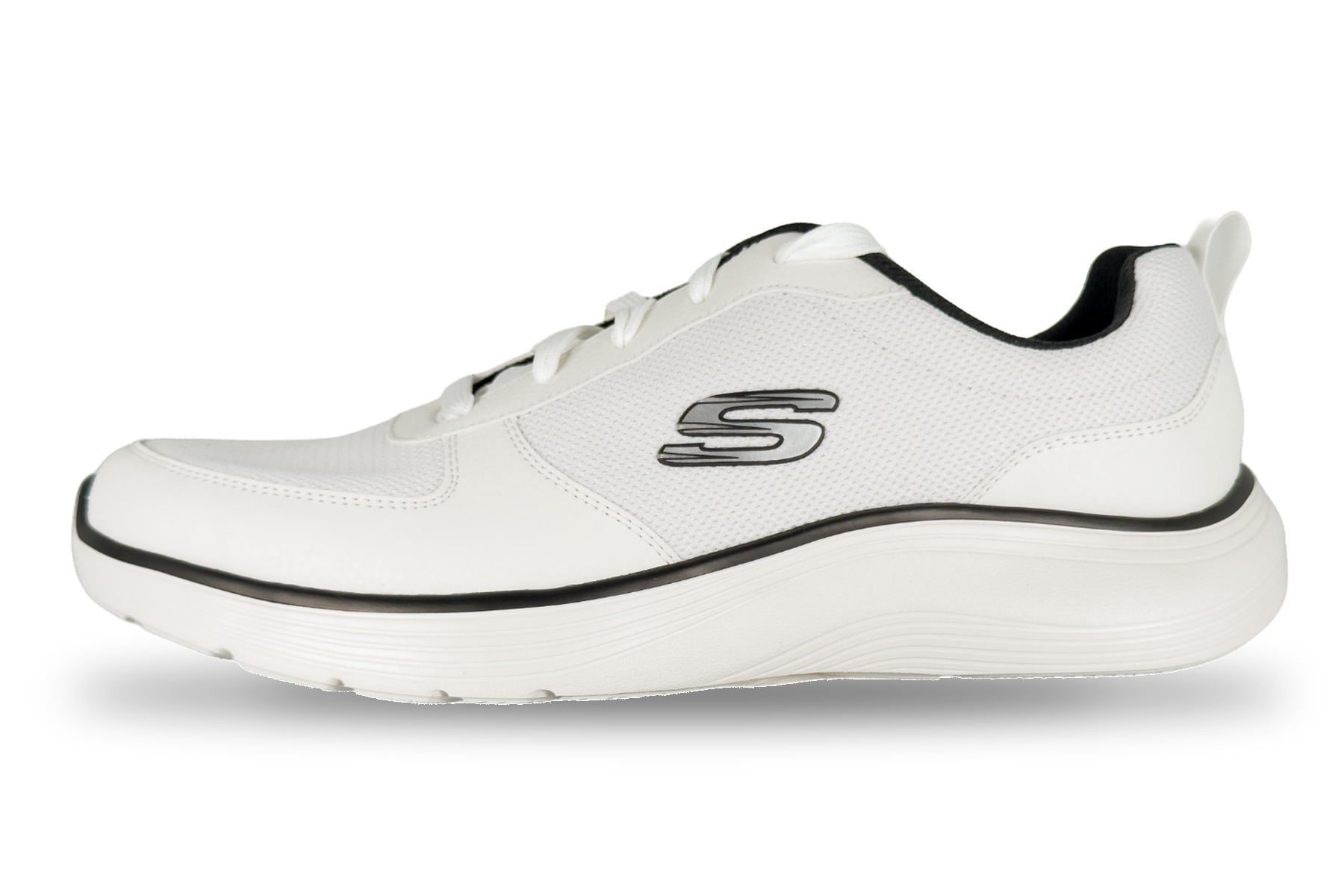
Once you’ve confirmed the basics — slip-resistant outsole, adequate cushioning, and easy-clean uppers — a few additional features elevate a good work shoe to a great one.
Lightweight Construction
Heavy shoes amplify fatigue. A lighter shoe — all else being equal — is easier to wear for a 10-hour shift. Modern foam midsoles and synthetic uppers have made lightweight construction compatible with serious durability. When comparing options, pay attention to overall shoe weight.
Breathability
Hot kitchens mean sweaty feet. A shoe with some degree of breathability — mesh panels, perforated uppers, or moisture-wicking insoles — keeps your feet more comfortable during long shifts. Full waterproofing trades breathability for protection; only consider it if you work in an environment with standing water regularly.
Secure Fit at the Heel
A shoe that slips at the heel is more dangerous in a restaurant than one with less-than-perfect traction on the sole. Your foot should feel locked in, with no movement at the heel during walking or quick pivots. A secure fit is as important as the outsole compound for real-world slip resistance.
Budget-Friendly Non-Slip Sneakers: Where to Find Good Deals
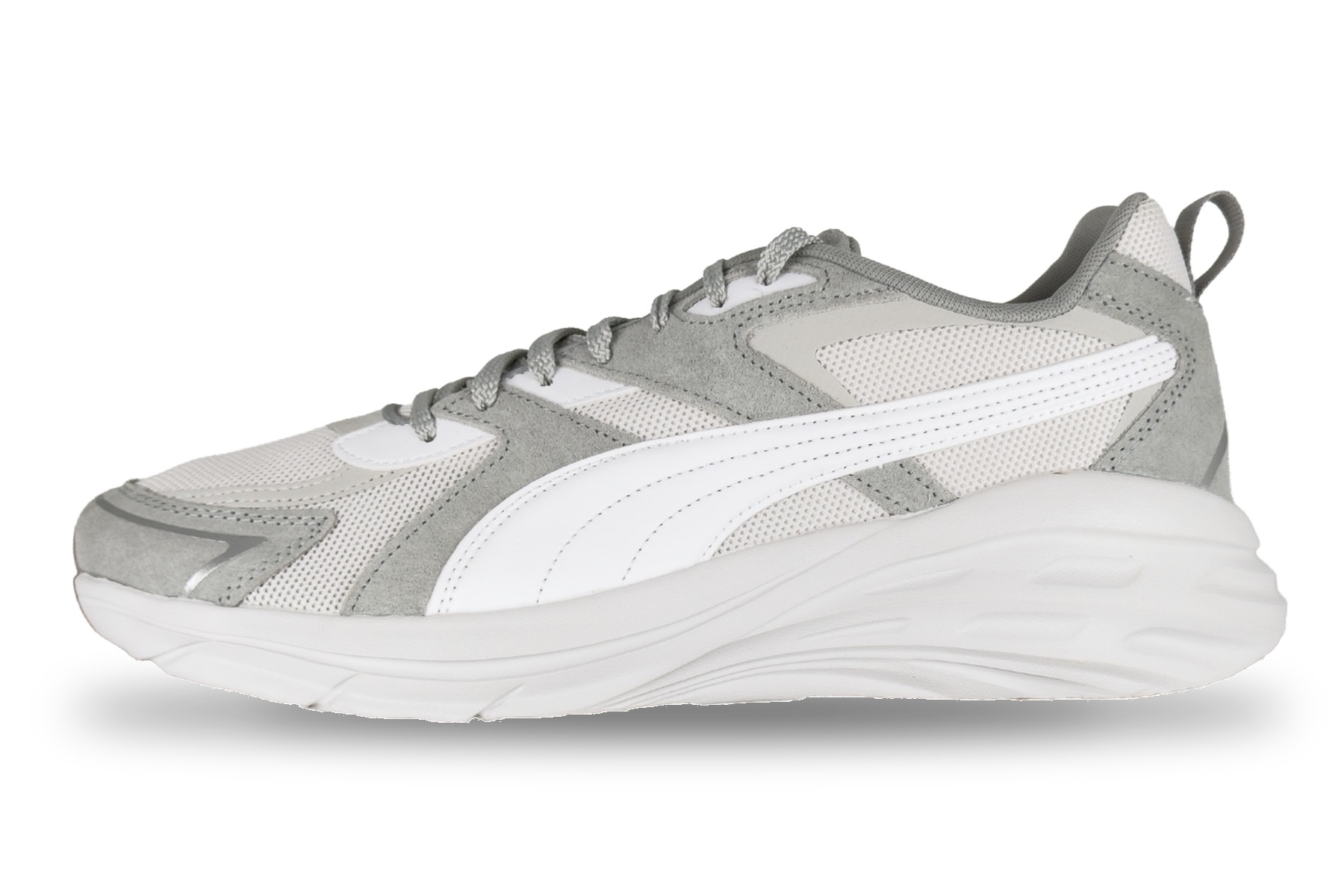
Restaurant work is hard on shoes. Many workers go through two or three pairs a year, which makes cost a real consideration. Fortunately, you don’t have to spend $100+ on work-grade slip-resistant sneakers.
Brand-name sneakers with genuine slip-resistant outsoles appear regularly on clearance at prices well under $50. Nike, Skechers, and New Balance all produce shoes with solid traction profiles that work in restaurant environments — and when those shoes show up on clearance, the price becomes genuinely accessible on a service worker’s budget.
Skechers in particular makes several models with slip-resistant outsoles that are widely popular in food service. Their Work line is specifically designed for restaurant and healthcare environments — slip-resistant outsoles, Memory Foam cushioning, and easy-clean uppers. These regularly appear on clearance at very reasonable prices.
For current options, the clearance sneakers under $50 section at Zneakers is a solid place to find brand-name work-ready shoes with the features restaurant workers need. Free nationwide shipping is included on every order, which matters when you’re replacing work shoes every few months.
How Often Should You Replace Restaurant Work Shoes?
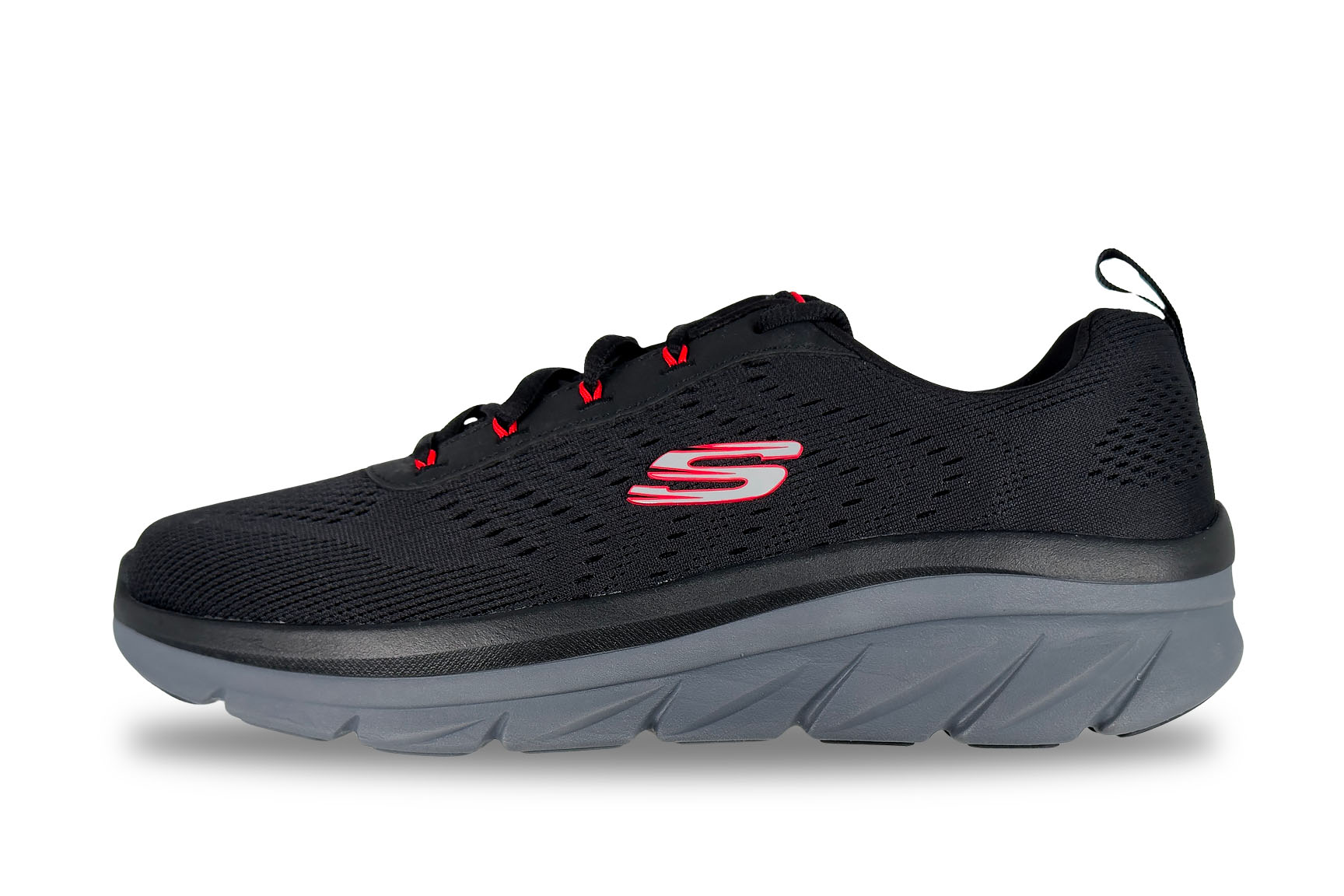
Work shoes in a restaurant environment experience far more wear than casual shoes. A rough guideline: replace them every 6 to 12 months, or sooner if you notice significant outsole wear.
The outsole is the first thing to assess. When the tread pattern begins to wear smooth — especially in the heel and forefoot — the shoe’s slip resistance drops significantly. A worn-out slip-resistant shoe can be almost as dangerous as a non-slip-resistant shoe on a wet kitchen floor.
Midsole compression is the second signal. If your feet or legs ache more at the end of a shift than they used to, the cushioning may have compressed out. Midsoles don’t always show visible wear — they just stop doing their job after enough stress cycles.
Replacing work shoes before they fail completely — rather than after — is the right approach. At clearance prices, the cost of a fresh pair every six months is manageable.
Frequently Asked Questions
What makes a sneaker non-slip?
True non-slip performance comes from two factors working together: the rubber compound and the tread pattern. Softer rubber compounds grip slick surfaces better than hard rubber. Multidirectional, tight tread patterns channel water and grease away from the contact surface, maintaining grip. Some shoes also use siping — thin cuts in the outsole — for additional flexibility and grip. A shoe can only be called genuinely non-slip if both the material and the pattern are engineered for wet and oily conditions.
Are non-slip sneakers required in restaurants?
Requirements vary by employer and state. Many restaurants mandate slip-resistant footwear as part of their uniform or safety policy. OSHA guidelines require employers to protect workers from recognized slip hazards, and non-slip footwear is a standard control measure. Even if your employer doesn’t explicitly require it, wearing slip-resistant shoes is the responsible choice in any food service environment.
Can I wear regular sneakers in a restaurant?
Technically yes, but it’s not advisable. Regular athletic sneakers are not designed for wet, greasy kitchen floors. Their outsoles lack the compound and tread pattern needed for adequate traction on slick surfaces. Many regular sneakers — especially running shoes with foam outsoles — perform poorly in oily conditions. The risk of slipping and injuring yourself or a coworker is significantly higher in non-slip-resistant footwear.
How often should restaurant workers replace their shoes?
Every 6 to 12 months as a general guideline, or earlier if you notice outsole wear or reduced cushioning. Restaurant environments accelerate shoe wear — grease degrades some rubber compounds, constant moisture breaks down adhesives, and high step counts compress midsole foam faster than casual use. Inspecting your outsole tread monthly is a good habit. When the tread begins to smooth out in high-contact areas, it’s time to replace the shoe.
Where can I find affordable non-slip sneakers for restaurant work?
Clearance sneaker retailers are among the best sources for affordable, brand-name non-slip work footwear. Skechers Work models with slip-resistant outsoles and Memory Foam cushioning regularly appear at clearance prices under $50. Nike and New Balance models with suitable traction profiles also show up in clearance channels. Look for retailers with free shipping to keep your total cost low — replacing work shoes several times a year adds up fast if shipping isn’t free.
Get brand-name sneakers built for long shifts at clearance prices — up to 80% off retail, with free nationwide shipping on every order.
Shop Sneakers Under $50 →