
If you work a 12-hour nursing shift, your feet are working just as hard as you are. Between running to patient rooms, standing through procedures, and navigating slick hospital floors, nurses put more mileage on their feet than most people do in a week. Finding the right sneakers for nurses isn’t a luxury — it’s a necessity that affects how you feel at the end of every shift, and how long your body holds up over a full career.
On This Page
Why Footwear Matters More in Nursing Than Almost Any Job
Nurses spend an average of 10 to 12 hours on their feet per shift, often covering 4 to 5 miles in a single workday. That kind of sustained standing and walking puts enormous pressure on the feet, ankles, knees, and lower back. The wrong shoes don’t just cause discomfort — they can lead to plantar fasciitis, shin splints, and chronic joint pain that builds over months and years.
The environment makes it even more demanding. Hospitals have hard floors — usually polished concrete or linoleum — that offer zero natural cushioning. You’re also dealing with potential fluid spills, quick directional changes, and the occasional need to move fast. Your footwear has to handle all of it.
The good news is that the right pair of nursing shoes can make a significant difference. Nurses who wear properly cushioned, supportive sneakers report less foot fatigue at the end of their shifts. Better footwear also reduces the cumulative strain on knees and hips, which matters enormously for nurses who spend decades in the profession.
What to Look for in Nursing Sneakers
Not every sneaker works for nursing. A lot of stylish shoes that look comfortable fall apart after a few 12-hour shifts. When you’re shopping for nursing shoes, these are the features that actually matter.
Cushioning That Lasts All Shift
The cushioning in a shoe isn’t just about softness underfoot — it’s about energy return and durability. Cheap foam compresses quickly and never bounces back, which means your “cushioned” shoe feels flat by hour four. Look for quality memory foam or responsive midsole foam that maintains its shape shift after shift.
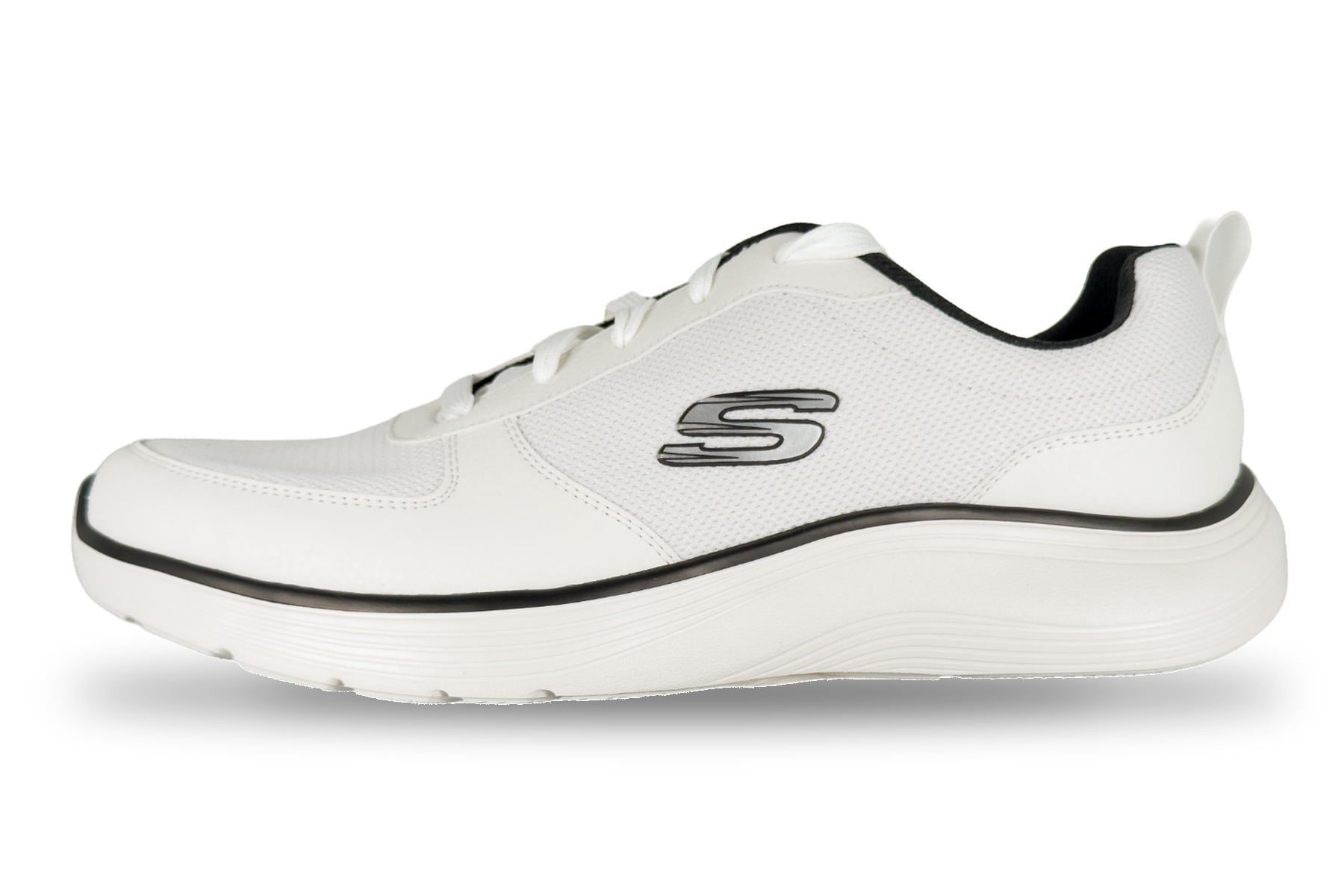
Skechers has built a strong reputation in healthcare precisely because their memory foam insoles hold up well over time. Options like the Skechers Men’s Memory Foam Sneaker in White/Black ($48.99) and the Skechers Relaxed Fit Memory Foam Sneakers in Black ($45.99) deliver that all-day comfort without the all-day price tag. Both are available as clearance sneakers under $50 at Zneakers.
Arch Support
Arch support is what prevents your feet from collapsing inward with every step — a condition called overpronation that causes knee and hip pain over time. Nurses who underpronate or overpronate without correction are asking for trouble. A shoe with a structured footbed, or at minimum a contoured insole, gives your arches the base they need.
The Skechers Men’s Arch Comfort Trainer Sneaker in White/Navy ($42.99) is specifically engineered for this. It features a deeper heel cup and arch profile designed for long-duration standing — not just marketing language, but actual structural design that makes a measurable difference.
Fit and Width Options
Feet swell during long shifts — sometimes by a half size or more. A shoe that fits perfectly in the morning might feel tight by hour eight. Look for sneakers with a roomy toe box and consider going up a half size if you’re between sizes. Relaxed Fit options from Skechers, for example, give you extra room in the forefoot without sacrificing structure.
The Most Important Features for a 12-Hour Shift
When your shift runs 12 hours, every feature in your sneaker gets tested to its limit. Here’s what holds up and what doesn’t.
Lightweight Construction
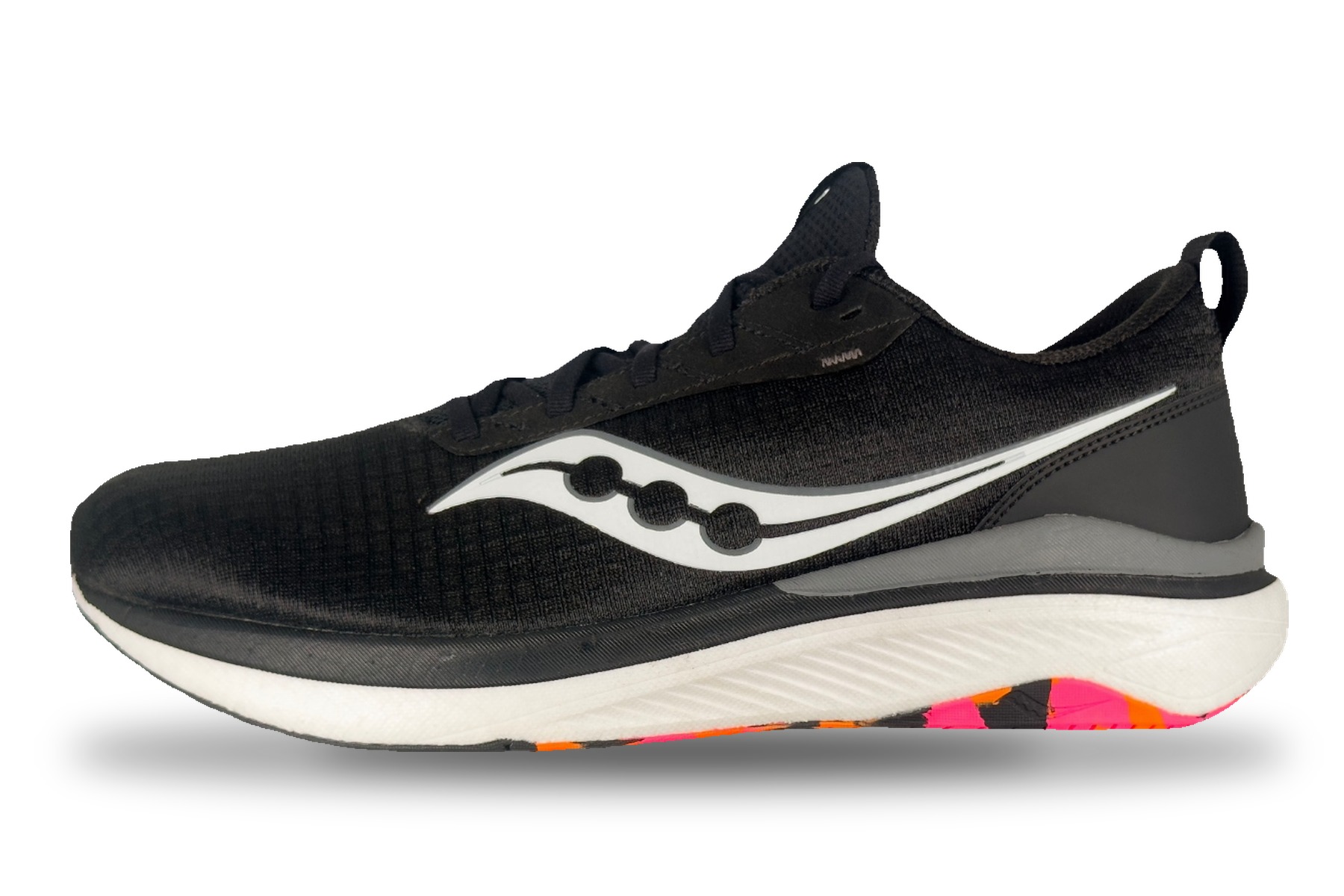
A heavy shoe is dead weight multiplied by thousands of steps. By hour ten, even an extra ounce per shoe adds up to meaningful fatigue. Lightweight sneakers — especially those built on running shoe platforms — help your legs stay fresher longer. The Saucony Freedom Crossport Men’s Running Shoe in Black/White ($62.99) is a great example: running-shoe weight and cushioning brought to an everyday wear context.
Breathability
A shoe that traps heat and moisture becomes uncomfortable fast. Mesh uppers allow airflow that keeps your feet cooler and drier over a long shift. Synthetic or leather uppers that don’t breathe can contribute to blisters and skin irritation. For most nursing environments, a breathable mesh upper is the right call.
Easy to Clean
Hospitals are messy. A shoe that’s difficult to wipe down or can’t handle being cleaned regularly isn’t practical for nursing. Smooth uppers — whether mesh or synthetic — generally clean up easier than suede or fabric with texture. White shoes show stains faster, so many nurses prefer darker colors or white shoes they can easily bleach wipe.
Slip Resistance — Non-Negotiable in a Hospital
Hospital floors get wet. Spills happen. A patient might knock over a cup of water or something far less pleasant. Slip-resistant soles aren’t optional in this environment — they’re a basic safety requirement. Some hospitals explicitly require it as part of their dress code.
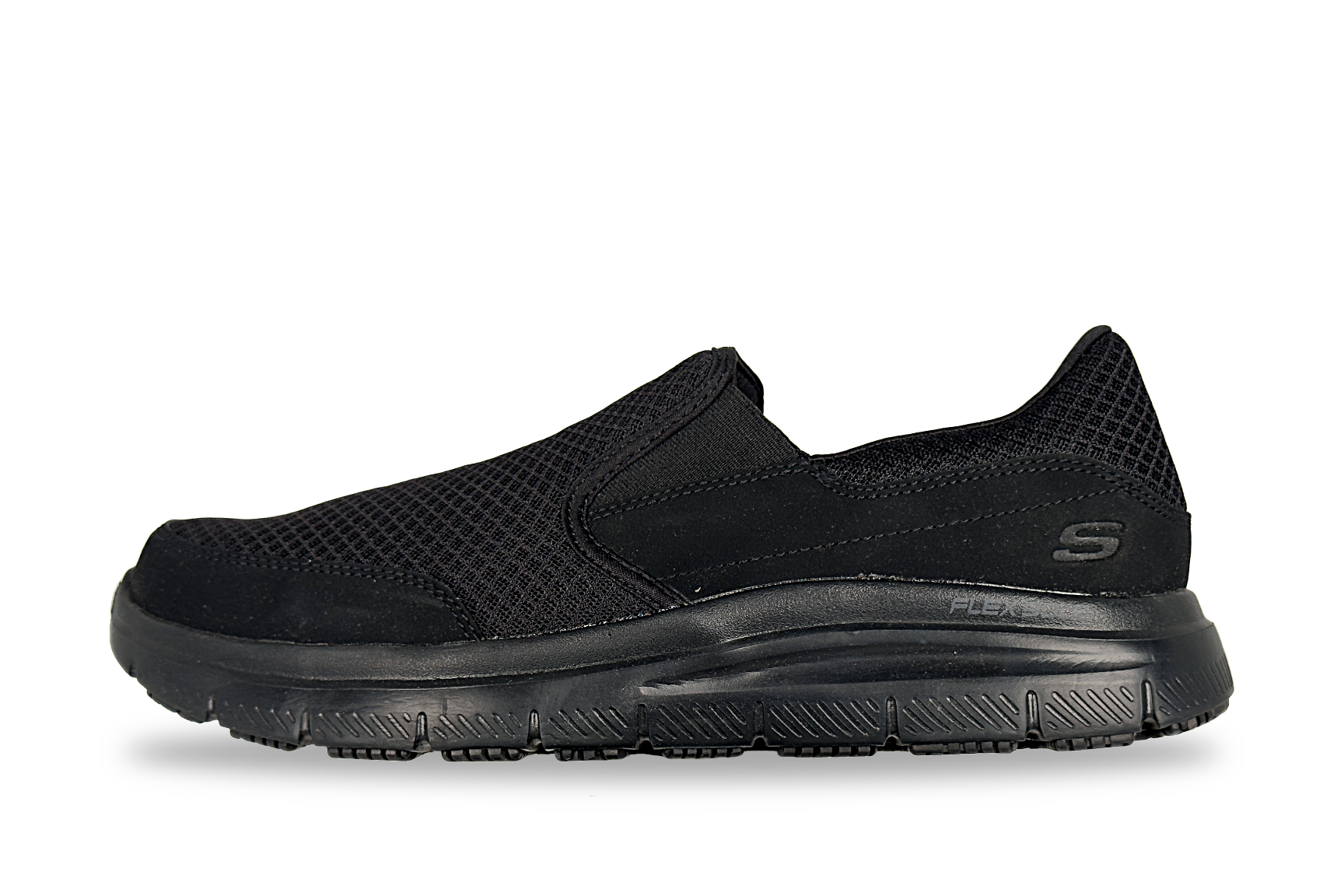
A good slip-resistant outsole has a patterned tread specifically designed to channel liquid away from the contact point, maintaining grip on wet surfaces. The Skechers Slip Resistant Relax Fit Memory Foam Slip-on Sneakers in Black ($49.99) combines that safety feature with the memory foam cushioning nurses need. The slip-on design is also a practical bonus — easy on and off between shifts.
If slip resistance is a priority for your unit, check out the full selection of non-slip sneakers at Zneakers. While marketed toward restaurant workers, these are exactly the same slip-resistant designs used in hospital settings.
How to Find Quality Nursing Sneakers Without Breaking the Bank
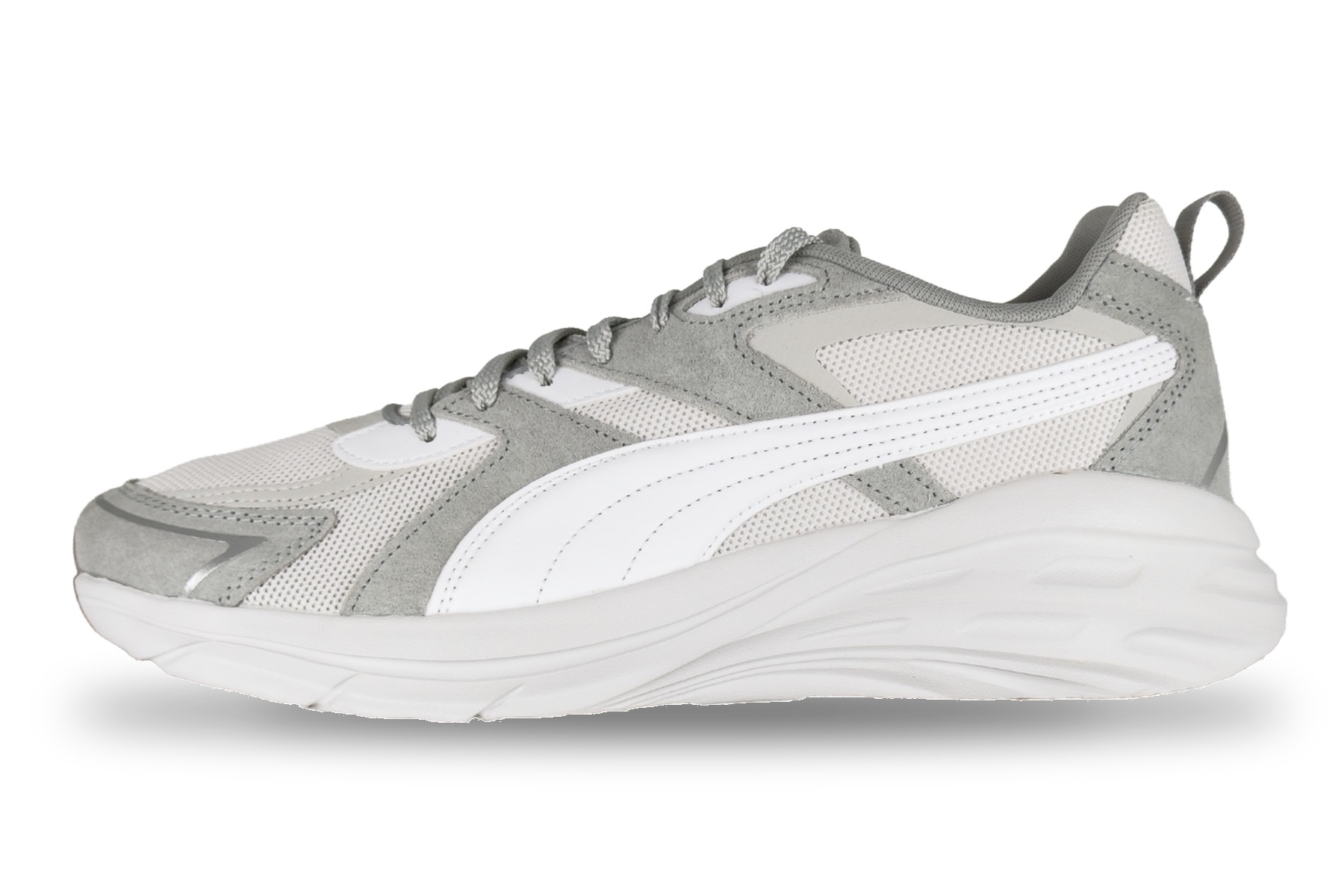
Here’s the honest truth about nursing shoes: you don’t need to spend $120 to $150 to get a great pair. The premium you pay at a specialty nursing store is often for the brand name and the “medical worker” marketing, not the actual shoe technology.
The same cushioning, arch support, and slip resistance available in $130 nursing clogs can be found in brand-name athletic sneakers — often at a fraction of the price. The key is knowing where to look and what features to prioritize.
Why Clearance Brand-Name Sneakers Are the Smart Move
Brand-name sneakers from Skechers, Saucony, New Balance, and similar companies are engineered with serious comfort technology. When those shoes hit clearance, the technology doesn’t change — only the price does. Clearance inventory exists because a colorway was discontinued, the season ended, or a retailer overordered. The shoe itself is 100% new and authentic.
Zneakers specializes in exactly this: brand-name sneakers at clearance prices, up to 80% off retail, with free nationwide shipping on every order. For nurses on a budget — or nurses who go through shoes quickly and replace them every few months — this is a significantly smarter way to buy.
The Best Types of Sneakers for Nurses on a Budget
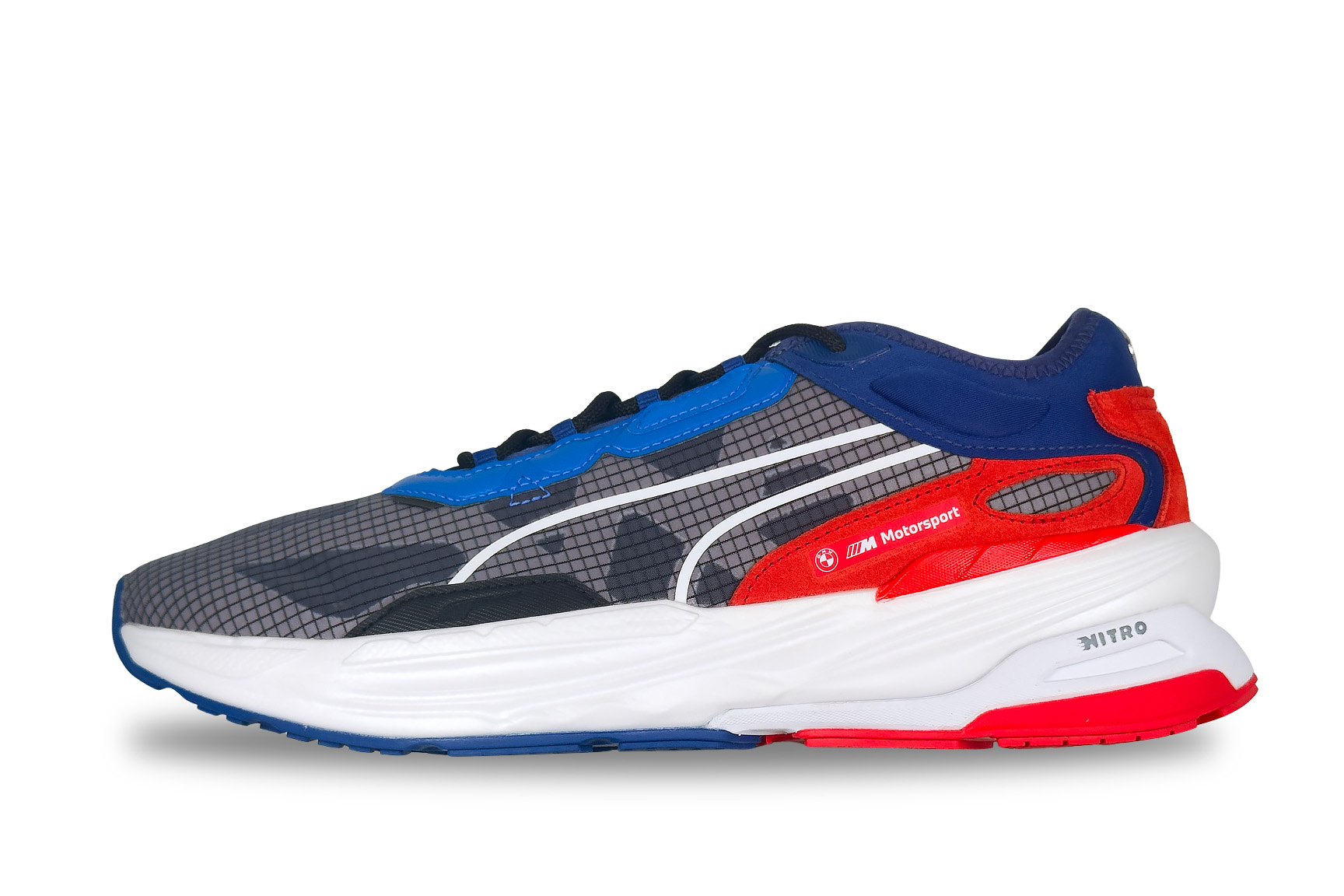
When shopping for comfortable sneakers for nurses without blowing your budget, focus on these categories.
Memory Foam Slip-Ons
Slip-on designs are underrated for nursing. When you’re working a long shift and heading home exhausted, fumbling with laces is a small but real annoyance. Slip-ons with memory foam insoles — like the Skechers Slip Resistant Relax Fit — give you easy wearability and solid cushioning in one package.
Running Shoes Worn as Work Shoes
Running shoes are engineered for repetitive impact and long-duration comfort. They’re among the best walking sneakers you can find, and that same engineering translates well to nursing. Look for running shoes with responsive midsoles and breathable uppers. The Saucony Freedom Crossport is a strong option in this category at a clearance price.
Supportive Lace-Up Trainers
For nurses who need more structure and lateral stability, a lace-up trainer with arch support is a better fit than a slip-on. The Skechers Men’s Arch Comfort Trainer Sneaker ($42.99) is purpose-built for this — structured enough for real support, comfortable enough for 12 hours.
All of these options are available at Zneakers as clearance sneakers — brand-new, authentic, with free shipping to your door.
Q&A: Sneakers for Nurses
What makes a good sneaker for nurses?
A good nursing sneaker has four core features: durable cushioning that holds up for 12+ hours, arch support that prevents overpronation, a slip-resistant outsole for wet hospital floors, and a breathable upper to keep feet cool. Lightweight construction is a bonus that reduces leg fatigue over long shifts. You don’t need to spend a fortune — brand-name sneakers with these features are available at clearance prices if you know where to shop.
Do nurses need slip-resistant shoes?
Yes, and in many hospitals it’s a formal policy requirement. Hospital floors — polished concrete and linoleum — become very slippery when wet. A slip-resistant outsole with channeled tread is a basic safety feature, not just a comfort upgrade. Skechers’ slip-resistant line is specifically designed for this, and several options are available for under $50 at Zneakers.
Are memory foam sneakers good for nursing?
Memory foam is excellent for nursing when it’s high-quality foam that maintains its cushioning over time. Cheap memory foam compresses flat quickly. Skechers’ memory foam technology is well-regarded in healthcare circles because it holds up over repeated shifts. Combined with a supportive footbed, memory foam is one of the best cushioning options for nurses who stand all day.
How often should nurses replace their shoes?
Most nursing shoes need replacement every 6 to 12 months with regular use — sooner if you’re working frequent double shifts. The foam breaks down over time even if the shoe looks fine. A practical rule: if the midsole feels noticeably flatter than when you bought the shoe, it’s time for a new pair. Buying clearance brand-name sneakers makes more frequent replacement much more affordable.
Where can nurses find affordable sneakers?
Zneakers.com is built for exactly this. The site stocks brand-name sneakers — Skechers, Saucony, New Balance, and more — at up to 80% off retail, with free nationwide shipping on every order. You’ll find clearance sneakers under $50 with the cushioning, arch support, and slip resistance nurses actually need.
Get brand-name sneakers built for long shifts — up to 80% off retail, free nationwide shipping on every order.
Shop Sneakers Under $50 →