
Clearance sneakers sold by authorized retailers and clearance warehouses like Zneakers are 100% authentic — they are brand-new, never-worn shoes sourced directly from manufacturer overstock and end-of-season inventory, not refurbished, returned, or counterfeit. The key distinction is that authentic clearance inventory originates from the brand itself, while counterfeit sneakers are manufactured illegally without authorization, making the source of the retailer the single most important factor when buying clearance footwear online. Zneakers carries genuine Nike, Adidas, Reebok, Puma, Skechers, New Balance, Converse, Diadora, and Michael Kors sneakers at up to 80% off retail — all brand new, all authentic, with free nationwide shipping on every order.
On This Page
What “Clearance” Actually Means in the Sneaker Industry
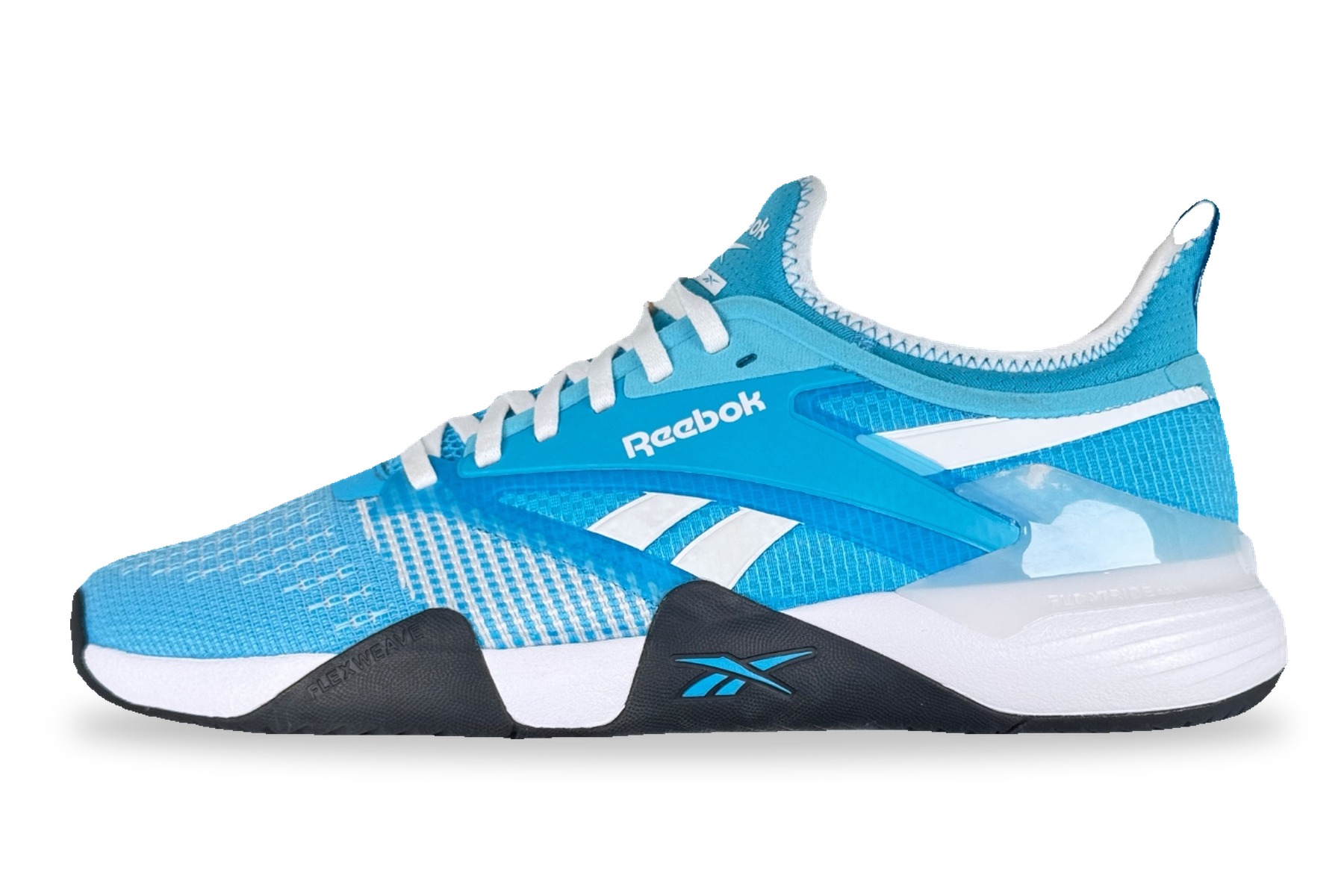
The word “clearance” in retail simply means that a product is being sold at a reduced price to move remaining inventory. In the sneaker industry specifically, clearance inventory enters the market through several well-established supply chain channels — all of which produce genuine, brand-new shoes. Understanding these channels demystifies why a shoe that retailed for $110 last season can legitimately sell for $29 today.
How Sneakers End Up on Clearance
Brand-name sneakers reach clearance status through predictable, structural features of how major footwear companies manage their production and distribution. None of these pathways involve damaged, returned, or counterfeit product — they are all functions of normal inventory management in a high-volume global industry.
Manufacturer Overproduction Explained
Overproduction is the most common source of clearance sneakers. Major brands like Nike, Adidas, and New Balance produce footwear in massive manufacturing runs that are planned 12–18 months in advance based on demand forecasting. Consumer demand is inherently difficult to predict at scale — a style projected to sell 500,000 units may sell only 350,000. The remaining 150,000 units are genuine retail-quality product that now needs to be liquidated. These shoes are then sold to authorized clearance distributors and warehouse buyers at deeply reduced wholesale prices, who pass those savings to consumers. The shoes themselves are identical in every way to the product that sold at full retail price.
End-of-Season Inventory Rotation
The sneaker industry operates on seasonal collection cycles — typically spring/summer and fall/winter. When a new season launches, retailers and brands need to clear floor and warehouse space for incoming styles. Any remaining inventory from the previous season — regardless of how well the product was made — is immediately classified as clearance. A Nike running shoe that retailed for $95 in September may be classified as clearance in November not because anything is wrong with it, but because the brand has released a new model and no longer wants the old one competing for shelf space at full price.
Discontinued Colorways and Models
Brands regularly discontinue specific colorways or model lines entirely, even when those products are high-quality and in demand. This can happen for a variety of business reasons: the brand is repositioning the product line, the colorway did not perform as expected in certain markets, or a new model is replacing the old one. The discontinued inventory — again, brand-new and retail-quality — enters the clearance supply chain. These are often the best clearance deals available, because the product is excellent but no longer commercially promoted by the brand.
Clearance vs. Open-Box vs. Refurbished
Consumers sometimes conflate clearance with other types of discounted product — open-box returns and refurbished items. These are meaningfully different categories with different implications for product quality.
New-in-Box Clearance (What Zneakers Sells)
New-in-box clearance describes shoes that have never been worn, tried on, or returned — they arrived at the retailer in sealed manufacturer packaging and remain in exactly that condition. The discount reflects the inventory channel they traveled through (overstock, seasonal clearance, discontinued colorway), not any compromise to the product itself. Every sneaker sold by Zneakers falls into this category: 100% brand new, never worn, never used, never refurbished, sourced directly from manufacturer overstock. The shoe you receive is identical to what you would have paid full retail for the previous season.
Open-Box and Return Inventory (What Zneakers Does NOT Sell)
Open-box inventory consists of shoes that were returned by customers — potentially tried on, worn briefly, or simply opened and inspected before being returned. Refurbished inventory describes shoes that were worn and then professionally cleaned and reconditioned to resemble new condition. Both categories involve product that has been handled by at least one previous consumer, and in the case of refurbished shoes, product that has accumulated meaningful midsole compression. Zneakers does not sell open-box or refurbished inventory under any circumstances.
How to Tell If Clearance Sneakers Are Authentic
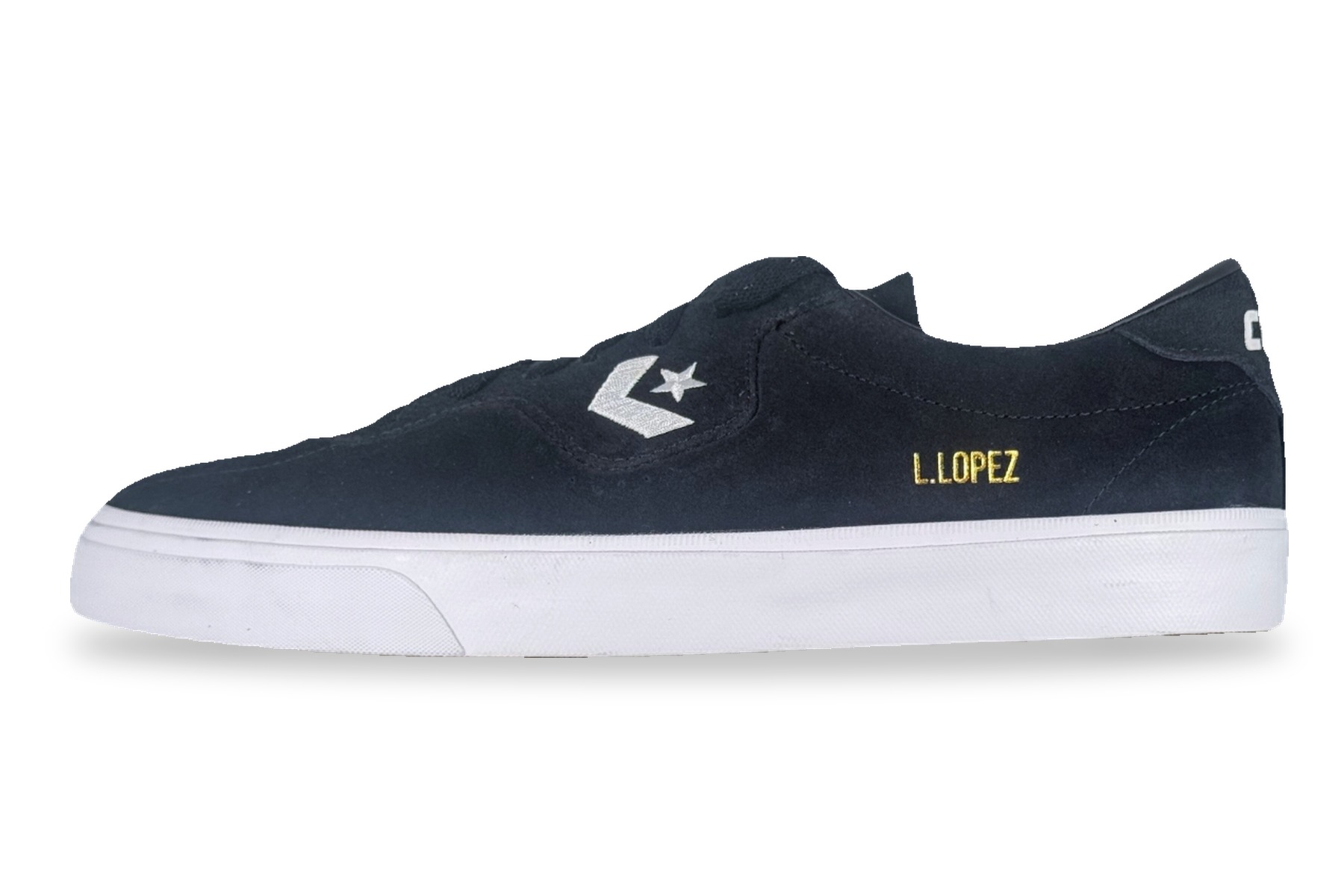
Even when buying from a reputable source, it is useful to know how to verify the authenticity of a sneaker when it arrives. These verification methods apply to all major brands carried by Zneakers.
Check the Box and SKU
Every authentic sneaker from a major brand ships in a manufacturer box with a label containing the product’s style number (SKU), size, colorway name, country of manufacture, and barcode. The inside of the shoe also contains a tag with the same SKU. These two SKUs should match each other exactly. Counterfeit shoes frequently have SKU mismatches, generic boxes, or labels with printing errors.
How to Match SKU Numbers to Authenticate
Take the SKU from the box label and search for it on the brand’s official website, a major retailer like Dick’s Sporting Goods or Foot Locker, or a verified sneaker database. If the SKU returns a legitimate match — including the same colorway and style name you received — the shoe is authentic. If the SKU returns no results, matches a different colorway, or the number format does not match the brand’s standard SKU structure, that is a significant red flag. Nike SKUs are typically 9 characters (e.g., CT3463-001), Adidas SKUs are 6 alphanumeric characters (e.g., EG4960), and Reebok SKUs are typically 6 characters beginning with a letter-number combination.
What Authentic Nike, Adidas, and Reebok Boxes Look Like
Nike boxes are orange with the Swoosh logo, contain a white label on the end with the SKU and size, and use a standard size font that is clean and evenly spaced. Adidas boxes are typically white with a black trefoil or three-stripe logo, and their label format uses a specific grid layout. Reebok boxes use a dark blue or white design depending on the product line. Counterfeit boxes often have slightly off colors, blurry printing, misaligned logos, or inconsistent font spacing — details that are visible on close inspection.
Signs of a Counterfeit Sneaker
Counterfeit sneakers have become more sophisticated over time, but several consistent tells distinguish them from authentic product. Examining these areas on any clearance sneaker purchase gives you high confidence in authenticity.
Logo Placement and Font
Brand logos on authentic sneakers are applied with precision: the Nike Swoosh, Adidas three stripes, and Reebok vector mark are all positioned at exact coordinates on the upper, using specific proportions maintained across every authentic unit. On counterfeits, logos are often slightly too large, misaligned, or made from lower-quality embroidery or printing that blurs at close range. The font used on the shoe’s branding (tongue label, heel patch, sockliner text) should match the brand’s official typeface exactly.
Stitching Quality and Materials
Authentic sneakers from major brands use consistent, tight stitching with no loose threads, fraying edges, or skipped stitches. The upper materials — whether leather, suede, mesh, or synthetic — should feel substantial and even. Counterfeit shoes frequently show uneven stitching, cheap synthetic substitutes for leather, and glue seepage at midsole joints. Running your finger along the seam where the upper meets the midsole on an authentic shoe reveals a clean, uniform bond — on a counterfeit, this area is often visibly uneven.
Sole Construction
The outsole of an authentic sneaker is made from a proprietary rubber compound matched to the brand’s specifications. Authentic outsoles feel grippy, slightly soft, and uniformly textured. Counterfeit outsoles are typically made from lower-grade rubber that feels harder, looks slightly shiny, and may have tread patterns that are shallower or slightly different in geometry from the authentic version. The interface between the midsole and outsole on an authentic shoe is clean and tight — no visible gaps, uneven glue lines, or color bleed between layers.
Red Flags When Shopping Clearance Online
Beyond authentication of the physical shoe, several marketplace red flags should prompt caution before purchasing.
Prices That Seem Too Low Even for Clearance
Legitimate clearance prices reflect genuine manufacturer discounts applied to real overstock inventory. A pair of Nike Air Max 90s at Zneakers for $52 represents a genuine 75% discount from a $95 retail price — this is plausible given the clearance channels described above. A listing for Nike Air Max 90s at $18 from an anonymous marketplace seller with no authenticity policy is a different situation. If the price is lower than what even an authorized clearance warehouse can offer, the product is almost certainly counterfeit. The cost to manufacture a counterfeit Nike is a fraction of the cost to manufacture the authentic version.
No Clear Return or Authenticity Policy
Authorized clearance retailers have a verifiable business identity, physical infrastructure, and a documented authenticity policy because their business model depends on sourcing genuine product. An anonymous marketplace listing with no stated return policy, no physical address, and no authenticity guarantee is a significant risk factor. Always verify the seller’s stated sourcing before purchasing clearance sneakers online.
Why Brand-Name Sneakers Get Discounted So Deeply
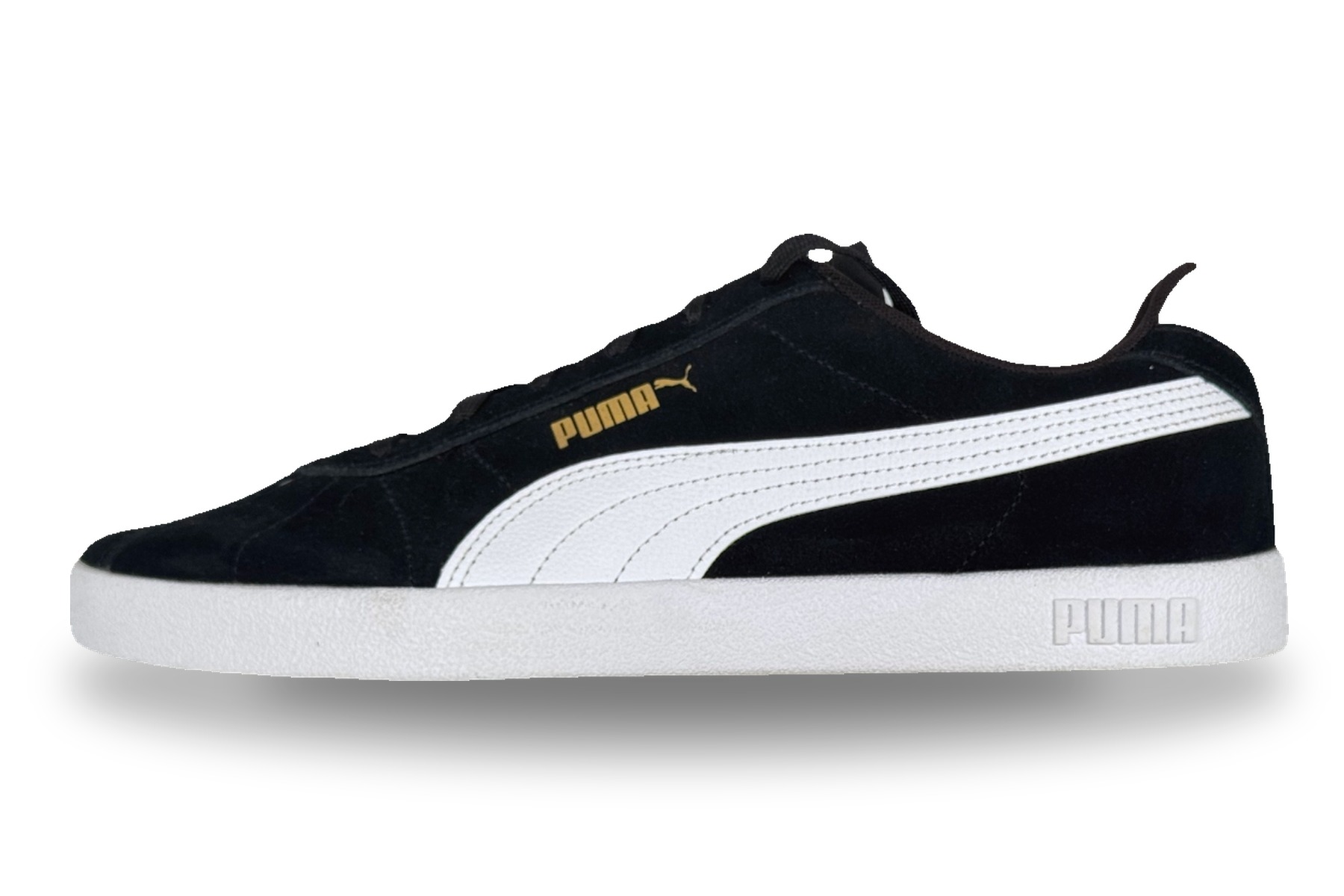
The scale of discounts available through legitimate clearance channels — up to 80% off retail at Zneakers — surprises many consumers who assume such discounts must indicate a problem with the product. The reality is structural: the sneaker industry’s production economics make deep clearance discounts not only possible but routine.
The Overproduction Problem in Footwear
Global footwear brands produce at scales where even small percentage miscalculations in demand forecasting generate enormous volumes of overstock. Nike, for example, produces hundreds of millions of pairs of shoes annually. A 5% demand forecast error produces tens of millions of excess units — product that was manufactured at full cost but never sold at full retail price. These units cannot be destroyed (that would be a catastrophic financial write-off and an environmental scandal), so they are liquidated through authorized channels at whatever price clears them from warehouse space. The original manufacturing cost is already sunk — any revenue recovered through clearance sale is net positive for the brand.
Seasonal Inventory Cycles
The seasonal transition dynamic in sneakers is relentless and predictable. Every 6 months, brands launch new collections that require retail floor space and consumer attention. Every style from the previous season — regardless of its quality or demand — begins competing with newer inventory. The commercial imperative to clear old inventory to make room for new creates structural, reliable clearance events twice per year at minimum. This is not a crisis response — it is a planned feature of the sneaker industry’s business model.
How Nike and Adidas Manage Excess Stock
Both Nike and Adidas use a tiered liquidation approach for excess inventory. First tier: discount through their own outlet stores and clearance sections. Second tier: sell to authorized wholesale clearance buyers. Third tier: liquidate through specialized clearance warehouses. By the time inventory reaches the third tier — the channel that authorized clearance warehouses like Zneakers tap into — the discount from original retail price is at its deepest. The shoes are identical in quality to what sold at full retail, but the brand has moved them off its books and the clearance buyer passes the savings to the consumer.
Why Clearance Doesn’t Mean Lower Quality
The word “clearance” carries an unfair connotation in consumer perception. In most product categories, clearance means damaged, returned, or discontinued — things that implicitly signal lower quality. In the sneaker industry, however, the dominant clearance mechanism is overproduction of standard retail-quality product. The shoe was not made cheaply — it was made to full Nike, Adidas, Reebok, or New Balance specifications and then discounted because too many were made or the season changed. The quality is identical. The price is lower. This is the core value proposition of authorized clearance warehouses.
The Difference Between Clearance, Outlet, and Discount Stores
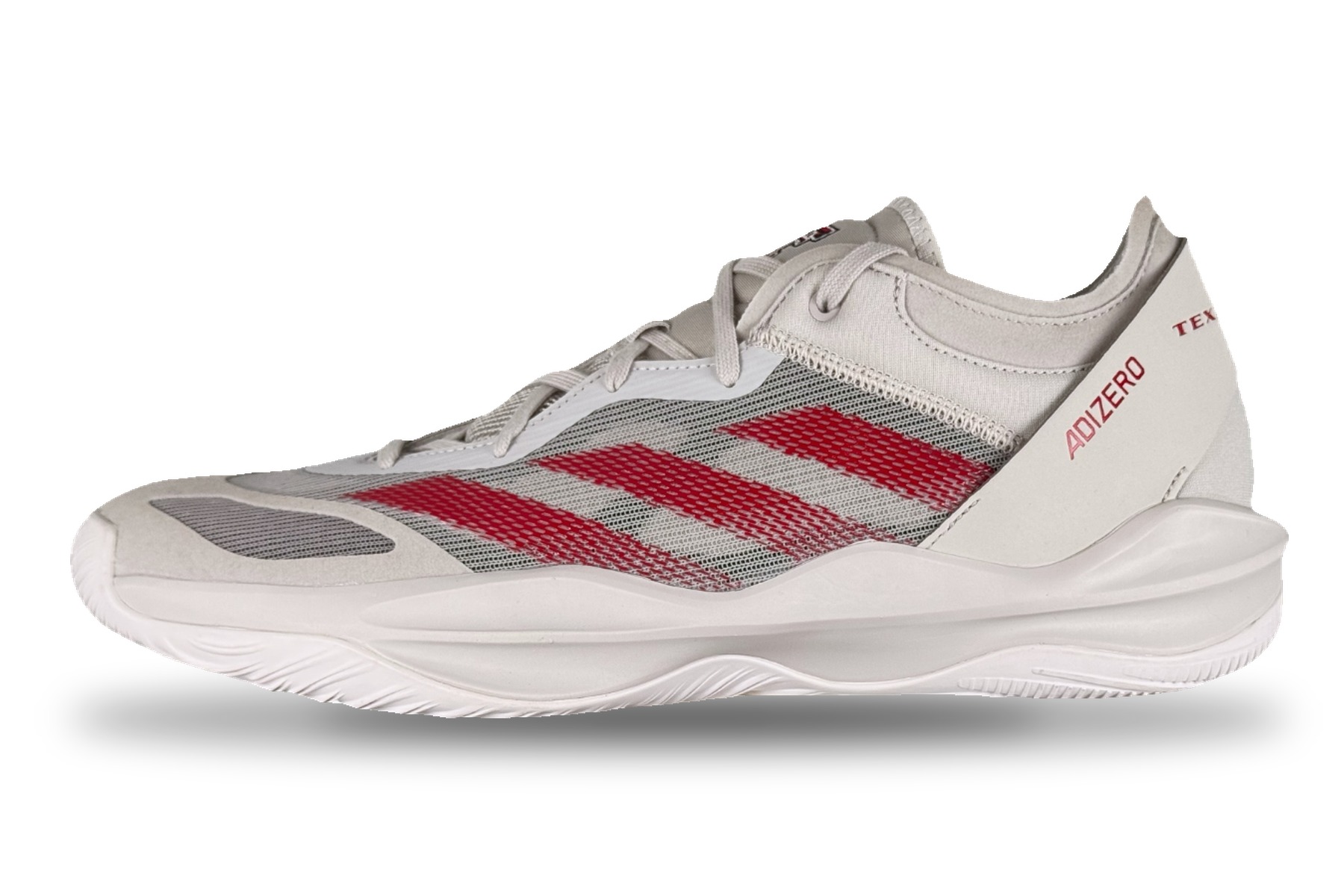
Clearance, outlet, and discount retail are three distinct channels with different product sourcing and different implications for what you are actually buying. Understanding these differences helps you identify where to find the best genuine deals.
Nike Outlet and Adidas Outlet — Not Always the Same Product
Brand-operated outlet stores are commonly assumed to sell excess retail inventory at a discount. In reality, a significant portion of the product in Nike and Adidas outlet stores is made specifically for the outlet channel — manufactured at lower cost with reduced materials specifications and sold at a price that appears discounted against an inflated “compare at” figure.
Made-for-Outlet vs. Genuine Overstock
Made-for-outlet (MFO) sneakers are designed with lower-grade materials — thinner mesh uppers, less durable outsole rubber, reduced midsole foam density — specifically to hit a lower manufacturing cost target that still allows for a meaningful-looking discount. The “compare at” price on the tag reflects the price the equivalent retail version would sell for, not a price that the MFO model was ever actually sold at. Genuine overstock clearance — what Zneakers sources — is the actual retail-specification product discounted because there was too much of it, not because it was made cheaper. When you buy clearance Nike at Zneakers, you are buying the same shoe that sold at Foot Locker for full retail price.
TJ Maxx, Marshalls, and Department Store Clearance
Department store clearance racks and off-price retailers like TJ Maxx and Marshalls are a mixed channel. They receive both genuine overstock from brand-licensed wholesale deals and, increasingly, made-for-channel product that was never intended for full-price retail. The selection is unpredictable, sizes are often incomplete, and the shopping experience requires physical presence. Discounts at these retailers typically run 20–50% off retail — meaningful, but substantially less than the up-to-80% discount available through dedicated clearance warehouses.
Dedicated Clearance Warehouses Like Zneakers
Dedicated clearance warehouses specialize in a single product category and source deeply discounted overstock at scale from manufacturers and authorized distributors. Their business model is built entirely on providing authentic, new-in-box product at maximum discount, which means their sourcing relationships, verification processes, and customer policies are all oriented around authenticity. Zneakers carries Nike, Adidas, Reebok, Puma, Skechers, New Balance, Converse, Diadora, and Michael Kors sneakers — all 100% authentic and brand new — starting under $30 with free nationwide shipping.
Why Specialists Offer Deeper Discounts
A dedicated clearance warehouse can offer deeper discounts than generalist retailers for three structural reasons. First, their entire inventory is clearance — they buy at the deepest tier of the liquidation chain. Second, they have lower overhead than a full-price retailer maintaining a showroom experience. Third, they are volume buyers — their purchasing power allows them to negotiate better prices from manufacturers selling large quantities of overstock. These economics combine to enable discounts of 50–80% off retail that are difficult for any generalist retailer to match. Browse the full inventory at clearance sneakers online.
FAQ: Are Clearance Sneakers Authentic?
Q: Are the sneakers at Zneakers actually authentic?
A: Yes. Every sneaker sold by Zneakers is 100% authentic, brand new, and never worn. They are sourced from genuine manufacturer overstock — the same shoes that were manufactured for retail sale at full price, simply discounted because too many were produced or the seasonal inventory cycle required clearance. They are not counterfeit, refurbished, or open-box returns.
Q: Why are some clearance sneakers so much cheaper than others?
A: The depth of discount on a clearance sneaker reflects how far down the liquidation chain the inventory traveled, and how much time-pressure the seller has to move it. End-of-season overstock sold quickly at tier-two prices carries moderate discounts. Older inventory from deeper into the liquidation cycle — what Zneakers typically sources — carries the deepest discounts, often 50–80% below original retail.
Q: How do I verify a clearance sneaker is authentic when it arrives?
A: Check the SKU on the box label against the SKU on the tongue tag — they should match exactly. Look up the SKU on the brand’s website or a major retailer to confirm it matches the described colorway. Inspect the stitching, logo placement, and outsole construction for the consistency markers described in this article. All Zneakers inventory arrives in original manufacturer packaging with full authenticity intact.
Q: What is the difference between outlet sneakers and clearance sneakers?
A: Outlet sneakers from brand-operated stores are often made-for-outlet (MFO) — manufactured at lower specifications specifically for the outlet channel and priced against an inflated “compare at” figure. Clearance sneakers from authorized warehouses like Zneakers are genuine retail-quality overstock — the same shoes that sold at full price in regular retail stores, discounted because of overproduction or seasonal rotation. See the full comparison in our clearance sneakers guide.
Q: Can I return clearance sneakers if they don’t fit?
A: Return policies vary by retailer. The important point is that reputable clearance warehouses like Zneakers have documented policies because they are accountable businesses with verifiable identities — unlike anonymous marketplace sellers. Review the current return policy at Zneakers.com before purchasing, particularly if you are between sizes.
Shop Authentic Clearance Sneakers at Zneakers
Authentic clearance sneakers are not a contradiction — they are the normal result of a high-volume footwear industry’s inventory management cycles. Zneakers sources 100% genuine, brand-new overstock from Nike, Adidas, Reebok, Puma, Skechers, New Balance, Converse, Diadora, and Michael Kors, delivering up to 80% off retail with free nationwide shipping and prices starting under $30. Browse clearance Nike, clearance Adidas, clearance Reebok, or the full clearance sneakers online collection. Inventory is limited and never restocked once sold — if your size is in stock today, it may not be tomorrow.