
Standing all day is harder on your body than most people realize — and most shoes aren’t built for it. Whether you’re a nurse, a teacher, a retail worker, or anyone else whose job keeps them on their feet for 8 to 12 hours, the right footwear isn’t just about comfort. It’s about protecting your joints, preventing chronic pain, and having the energy to actually enjoy your time off. Finding the best sneakers for standing all day is one of the most impactful health decisions you can make as a working person.
On This Page
What Happens to Your Feet When You Stand All Day
Your feet aren’t designed to hold static load for hours at a time. When you stand still, blood pools in the lower legs and feet, leading to swelling and that heavy, aching feeling by the end of a shift. The plantar fascia — the thick band of tissue running along the bottom of your foot — gets continuously strained, which is why plantar fasciitis is so common among people in standing professions.
The surface you stand on matters enormously. Hard floors like concrete, tile, and linoleum transmit every bit of impact directly to your feet and up through your joints. Carpet offers some cushioning but creates resistance that makes walking more tiring. Most people in standing jobs spend the majority of their time on hard floors — and their shoes need to compensate for the lack of give in the ground.
Over time, inadequate footwear during long standing shifts contributes to plantar fasciitis, heel spurs, knee osteoarthritis, and chronic lower back pain. The good news: quality footwear with the right features can meaningfully reduce all of these risks.
The Science of Cushioning — What Actually Works
Not all cushioning is equal. The three most common cushioning materials in sneakers are EVA foam, polyurethane foam, and memory foam — and each has different performance characteristics for standing work.
EVA Foam
Ethylene-vinyl acetate foam is lightweight and provides good initial cushioning. The downside is that it compresses and loses some of its loft over time — a process called compression set. Higher-density EVA foam compresses less quickly, which is why shoe quality matters. Cheap EVA in a $20 shoe will feel flat within weeks; quality EVA in a brand-name sneaker holds up for months.
Memory Foam
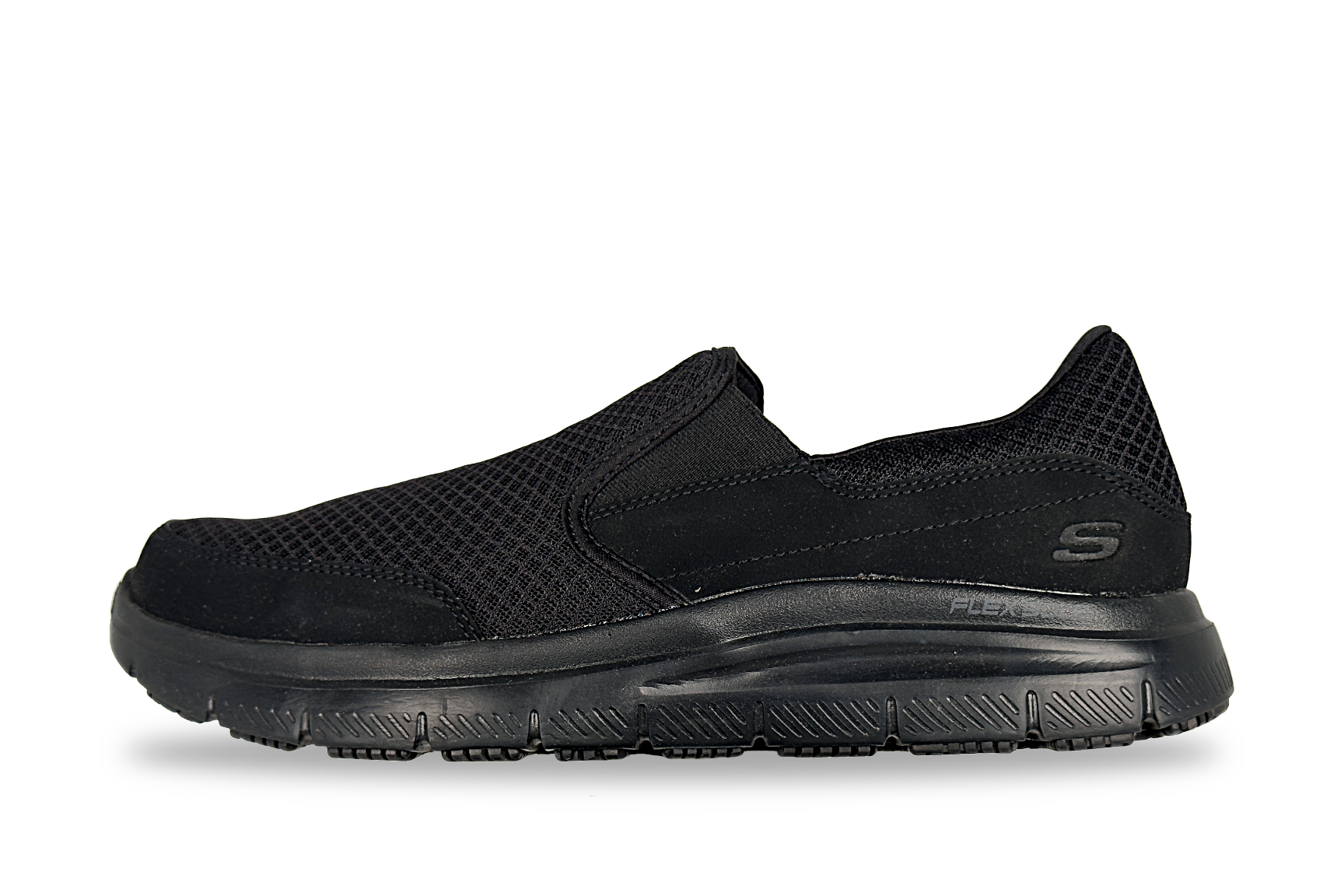
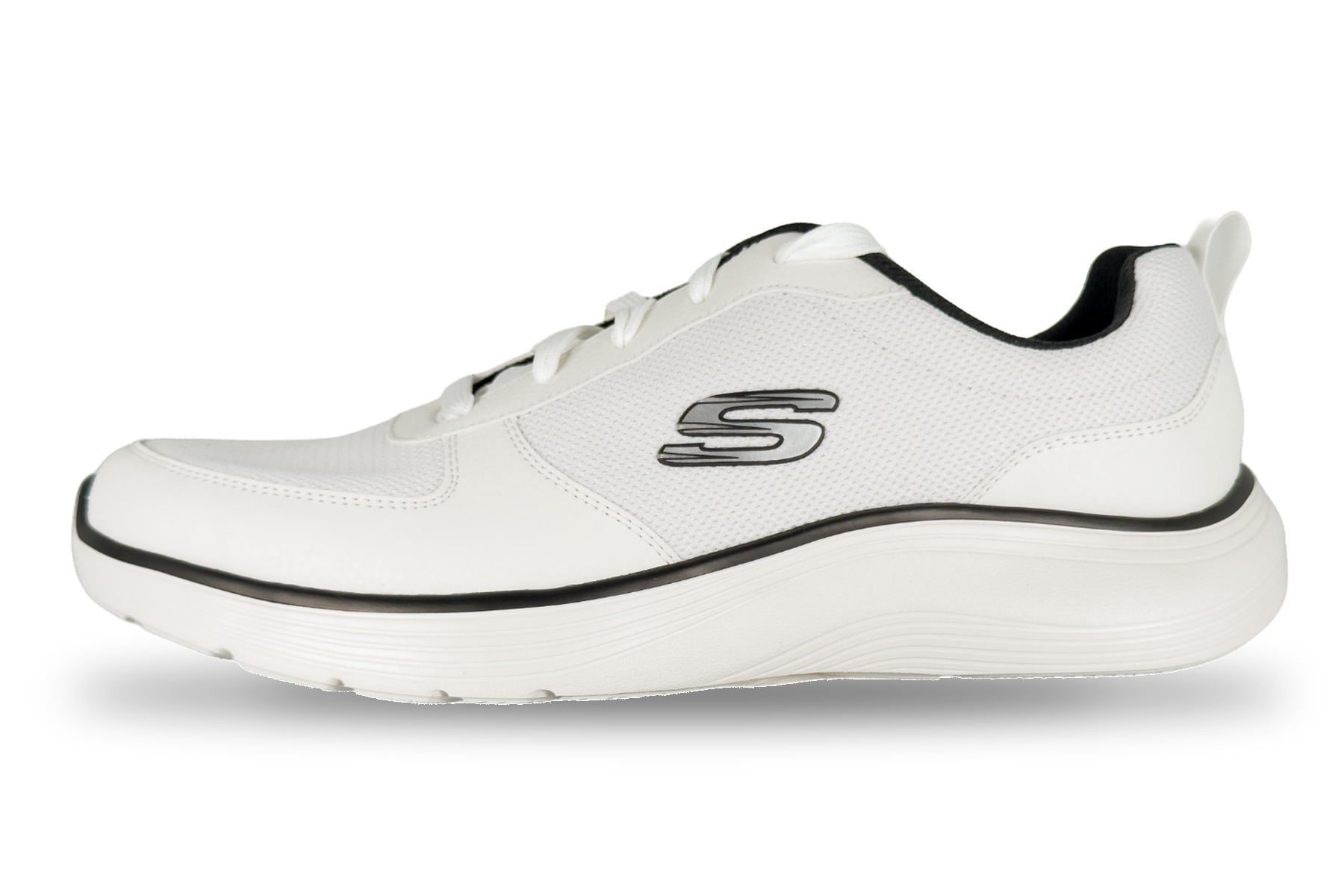
Memory foam molds to the shape of your foot, distributing weight more evenly than foam that maintains a fixed shape. This is particularly valuable for people with foot irregularities or who stand in one position for long periods. The Skechers Relaxed Fit Memory Foam Sneakers in Black ($45.99) and the Skechers Men’s Memory Foam Sneaker in White/Black ($48.99) use Skechers’ proprietary memory foam that has earned a genuine following among nurses, teachers, and retail workers — the people who test footwear hardest.
Responsive Running Foam
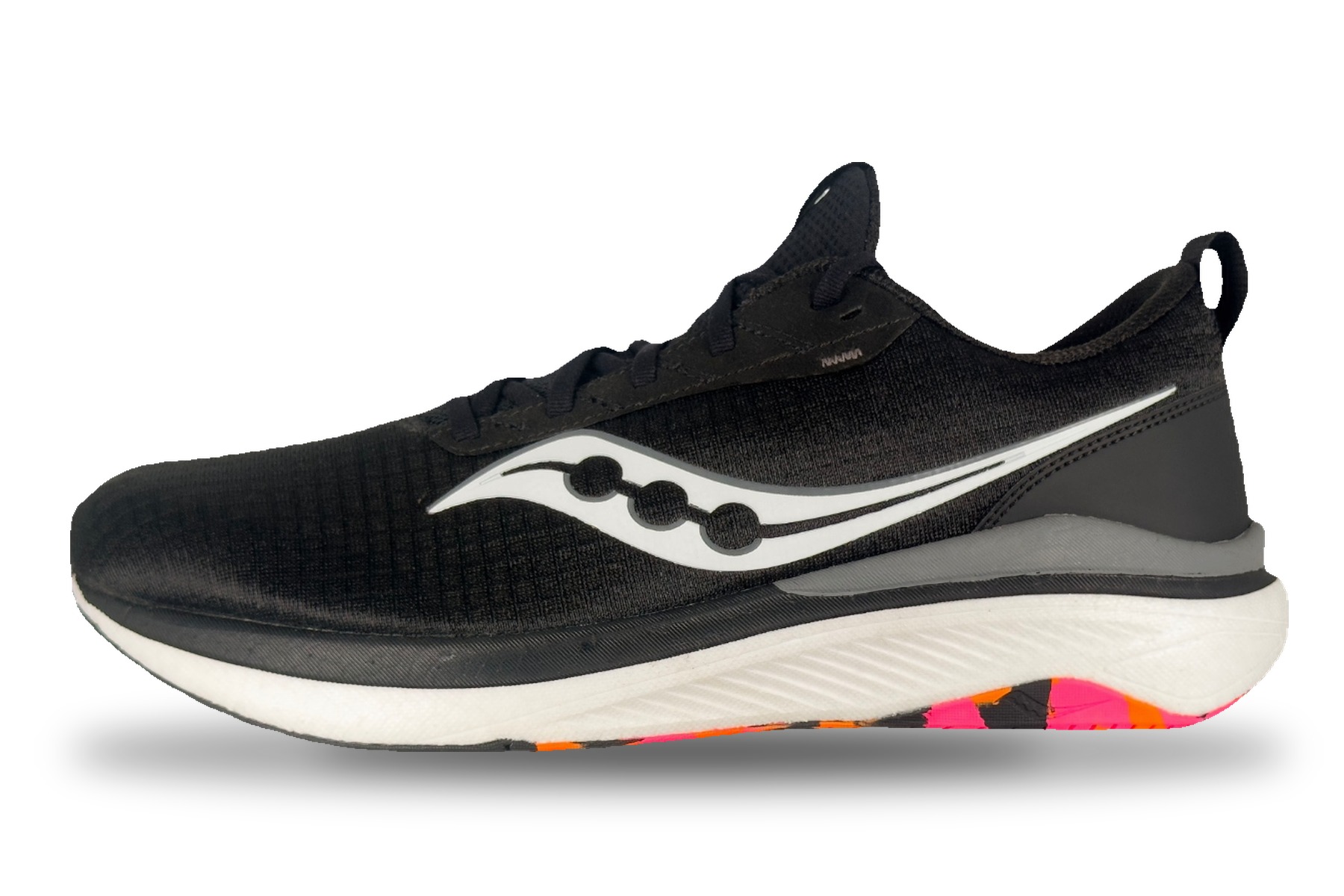
Modern running shoe foam — like the PWRRUN foam in Saucony shoes — is engineered to return energy with each step rather than just absorbing it. This reduces the fatigue that builds up over miles of movement. The Saucony Freedom Crossport Men’s Running Shoe in Black/White ($62.99) uses this kind of responsive foam, making it one of the best walking sneakers you can find for long-shift work.
Arch Support — Why It’s the Most Underrated Feature
Most people focus on cushioning when shopping for shoes for long shifts, but arch support might matter even more. Here’s why: your arch functions as a natural shock absorber, distributing load across the foot. When it lacks support, it collapses under the weight of prolonged standing — a process called overpronation — and the impact that the arch should absorb instead travels straight to your knees and hips.
A shoe with proper arch support holds the arch in its natural position, allowing it to do its job without fatiguing. This single feature has an outsized impact on knee pain, hip pain, and lower back problems among people who stand for work. Check out the sneakers for posture section at Zneakers for options specifically designed with structural support as a priority.
Flat Feet vs. High Arches
The right arch support depends on your foot type. People with flat feet (low or no arch) need more medial support to prevent excessive inward rolling. People with high arches need more cushioning in the arch area to fill the gap and distribute pressure. Neutral arches work well with most standard support designs. If you’re not sure which type you are, a quick wet foot test — wetting your foot and stepping on paper — shows your arch profile clearly.
Heel Support and Shock Absorption
The heel takes the biggest hit with every step, and it takes the most static load when you’re standing still. A shoe with a well-designed heel counter — the firm structure that wraps around the back of your heel — keeps the heel in a neutral position and prevents it from rolling outward (supination) or inward (overpronation).
Heel cushioning specifically matters for people who stand on hard surfaces. A padded heel collar, combined with extra foam density in the heel area of the midsole, creates a two-layer buffer against hard floor impact. The New Balance 247 REVlite Women’s Sneaker in Orange ($48.99) uses New Balance’s REVlite midsole — a lightweight, high-density foam specifically engineered for cushioning efficiency that holds up over time. It’s a strong option for women in standing roles at a clearance price.
The Diadora Option for Serious Cushioning
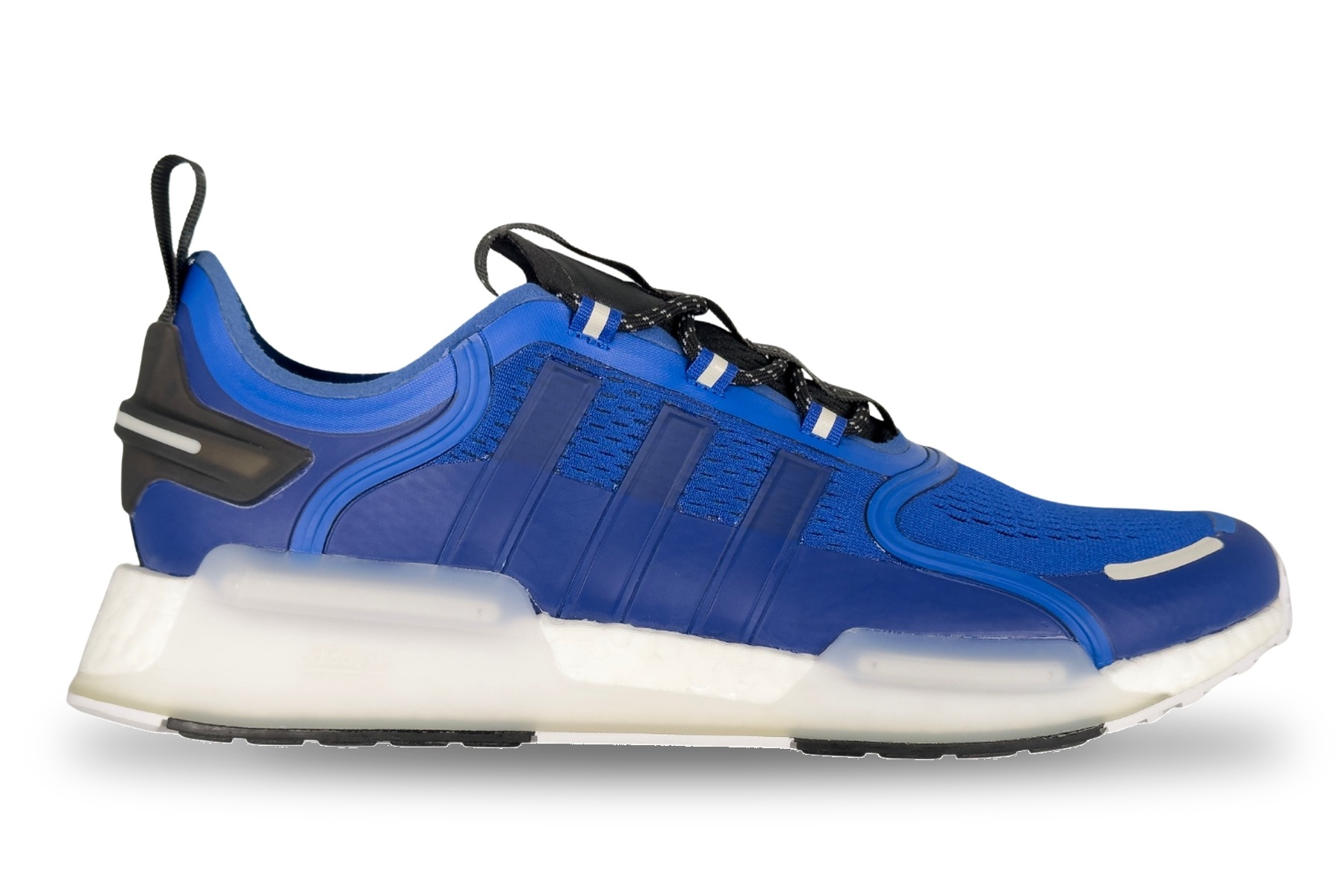
The Diadora Mythos Blushield 7 Men’s Running Shoe in White/Blue ($54.99) is worth a mention for serious cushioning needs. The Blushield technology offers a high level of motion control and shock absorption that makes it ideal for people who overpronate or have significant joint sensitivity. It’s a running shoe at heart, which means it’s engineered for thousands of foot strikes — exactly the kind of durability that translates to long-shift standing.
Breathability — Keeping Feet Fresh Through Long Shifts
Foot temperature matters more than most people think. Feet that overheat swell more, blister more easily, and generate the kind of discomfort that makes long shifts miserable. A breathable mesh upper allows air circulation that keeps feet cooler and drier throughout the day.
The tradeoff with mesh is that it’s less durable and less water-resistant than synthetic or leather uppers. In environments where your feet might get wet (warehouses, hospital floors, outdoor work), a water-resistant upper might be worth the reduced breathability. In climate-controlled indoor environments — most offices, retail stores, schools, hospitals — mesh breathability is the right call.
Many of the Skechers and Saucony options at Zneakers feature breathable mesh uppers engineered to handle all-day wear. Pair that with moisture-wicking socks and your feet stay significantly more comfortable across a full shift.
How Much Should You Spend on Standing Shoes?
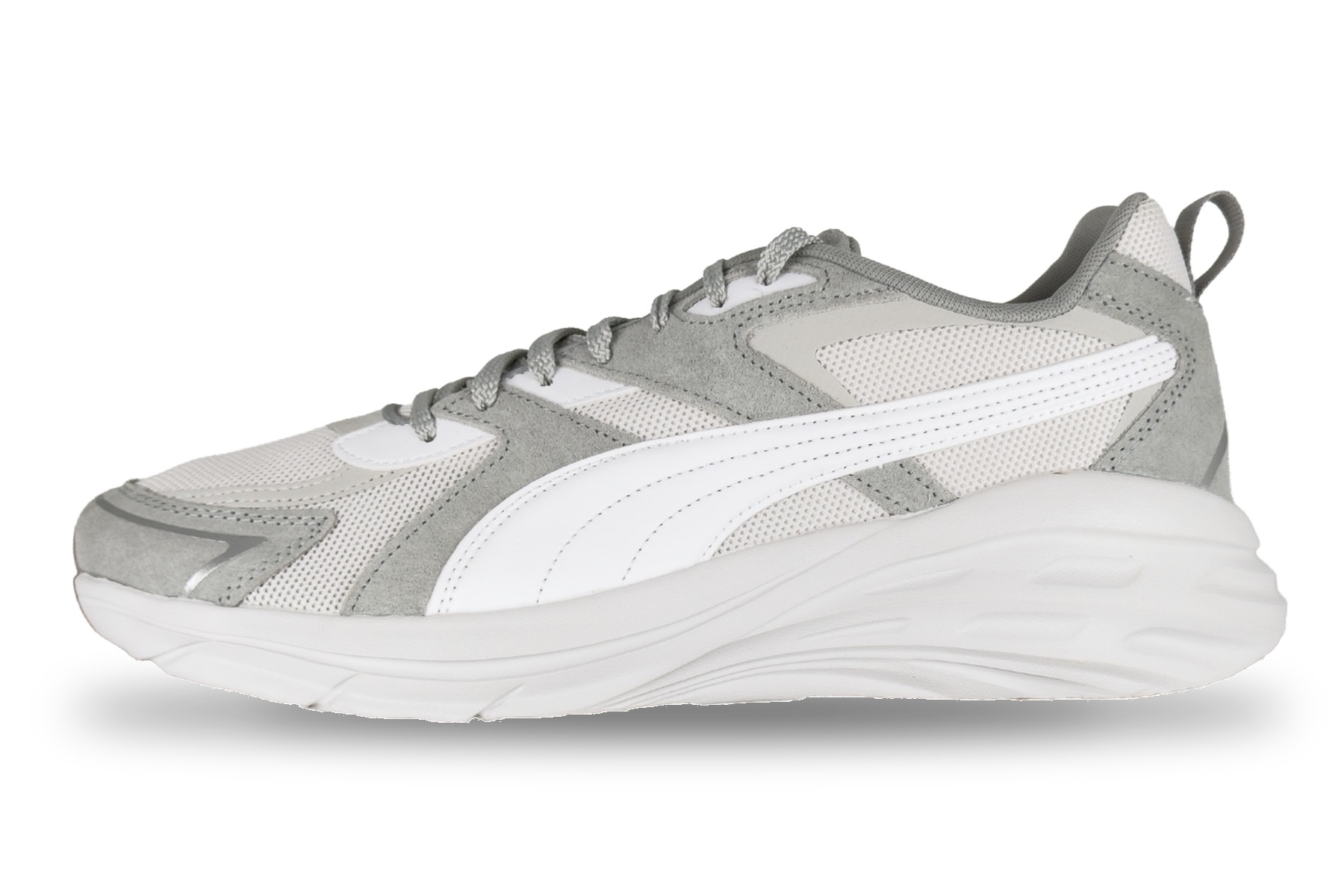
The honest answer: more than you’re probably spending now, but less than you think you need to. The $20 to $30 range produces shoes that fail fast and cost more over time through frequent replacement. The $100 to $150 range often includes premium brand markup that doesn’t reflect proportionally better performance.
The sweet spot for comfortable shoes for work is the $45 to $75 range — which is exactly where quality brand-name sneakers land at clearance prices. Skechers memory foam options at $42 to $49, Saucony Freedom Crossport at $62, New Balance REVlite at $48, Diadora Blushield at $54 — these are real-world performing shoes at prices that make sense for workers who need to replace footwear regularly.
Zneakers carries all of these as clearance brand-name sneakers — up to 80% off retail, free nationwide shipping. The clearance sneakers under $50 section is a great starting point if you want quality without pushing the budget too far.
Q&A: Best Sneakers for Standing All Day
What type of shoe is best for standing all day?
The best shoes for all-day standing have three non-negotiable features: substantial midsole cushioning that maintains its loft over hours of wear, genuine arch support built into the footbed or midsole structure, and enough room in the toe box for feet that will swell throughout the day. Running shoes with responsive foam technology — like the Saucony Freedom Crossport — and comfort-focused walking shoes from brands like Skechers and New Balance consistently outperform fashion sneakers and dress shoes for this use case.
Do I need arch support if I stand all day?
Yes — almost certainly. Most people’s arches aren’t strong enough to handle hours of sustained standing without fatigue and eventual pain. Even if your arches have felt fine, the cumulative stress of standing without support can cause problems that develop gradually over months. A shoe with proper arch support takes that load off the plantar fascia and reduces the cascade of knee, hip, and back pain that standing work can otherwise cause. Think of arch support as preventive care for your joints.
Can running shoes work for standing all day?
Running shoes are often among the best options for standing work, precisely because they’re engineered for repetitive foot impact and long-duration comfort. The foam in quality running shoes is specifically designed to hold up over miles of use, which translates to hours of standing. The Saucony Freedom Crossport and Diadora Mythos Blushield are running shoes that perform exceptionally well in standing work environments. The main consideration is outsole traction — running shoes prioritize road grip, which may not be sufficient on certain wet or slick indoor floors.
How often should I replace shoes I wear for standing?
Most shoes used for standing work should be replaced every 6 to 12 months, depending on usage intensity. The cushioning compresses and loses effectiveness before the shoe visibly wears out. A simple test: press your thumb into the midsole. If it feels hard and doesn’t spring back, the foam is compressed and no longer protecting your joints. Don’t wait for the outsole to wear through — by then, you’ve been walking on dead cushioning for months.
What’s the best affordable option for all-day standing?
The Skechers memory foam and arch comfort lines available at Zneakers represent the best value for all-day standing — brand-name quality with real comfort technology, priced at $42 to $49 as clearance sneakers. The New Balance REVlite Women’s at $48.99 is a strong choice for women. If you can stretch to the $55 to $65 range, the Diadora Blushield or Saucony Freedom Crossport offer a step up in cushioning technology. All ship free from Zneakers’ clearance sneaker inventory.
Get brand-name sneakers built for long shifts — up to 80% off retail, free nationwide shipping on every order.
Shop Sneakers Under $50 →