
Healthcare workers spend more time on their feet than almost any other profession — and the stakes are higher than just comfort. When you’re tired and your feet hurt, your focus and reaction time suffer. The right sneakers for healthcare workers aren’t a luxury item or an upgrade — they’re a functional piece of safety equipment that affects how you perform and how long your body holds up across a career in medicine.
On This Page
The Unique Demands of Healthcare Footwear
Healthcare environments test footwear across multiple dimensions at once. The floors are hard — typically polished linoleum or concrete — and they get slick without warning. Shifts run 10 to 12 hours, sometimes longer. You’re moving constantly: walking between rooms, standing through procedures, occasionally running when something urgent happens.
The environment also adds demands that most workplaces don’t. Fluid exposure is real — in clinical settings, spills happen. Some departments require footwear that can be wiped down or decontaminated without damage. In surgical or sterile settings, there are specific requirements around shoe covers and cleanliness. The shoe that works for a floor nurse might not work for an OR tech, and neither might work for a radiology tech who stands mostly still next to heavy equipment all day.
What all these roles share is the need for genuine comfort technology that holds up for long durations. Hospital shoes need to work as hard as the people wearing them — and they need to do it at a price point that makes sense for workers who aren’t pulling down surgeon salaries.
Fluid Resistance and Easy Cleaning — Why It Matters
In clinical settings, your shoes are going to encounter things. Blood, saline, medication spills, cleaning chemicals — these are real parts of the healthcare environment. A shoe with a porous fabric upper that absorbs everything it contacts is a hygiene concern and a cleaning nightmare. A smooth, wipeable surface is strongly preferred in most healthcare settings.
The Best Upper Materials for Healthcare
Synthetic leather and smooth mesh offer the best balance of breathability and cleanability. Mesh with a tighter weave resists surface splatter better than open mesh. True leather is easy to wipe but less breathable and heavier. Suede and open-texture fabrics are generally inappropriate for clinical environments — they’re impossible to properly clean.
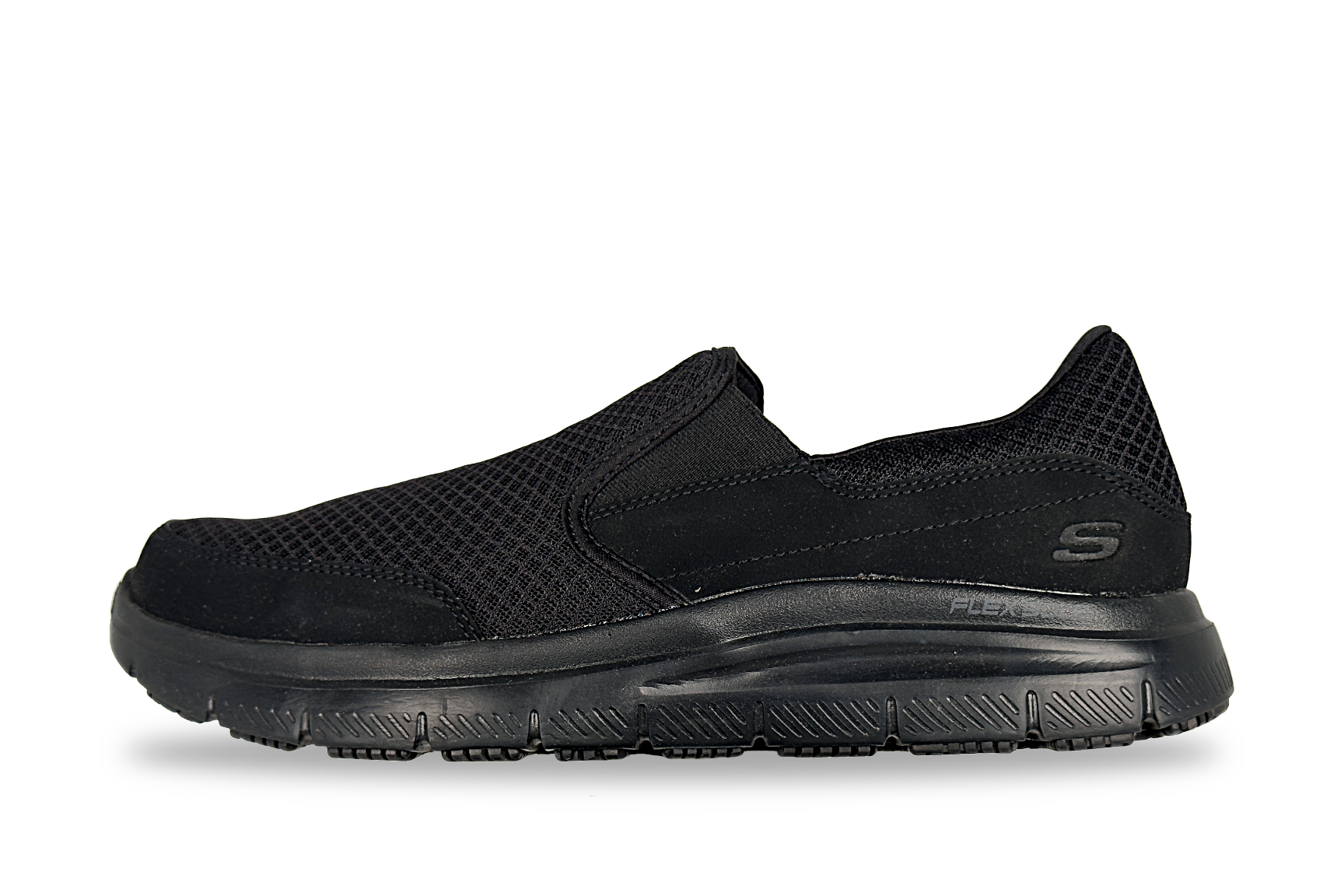
White shoes have long been associated with healthcare, partly tradition and partly because discoloration is visible and prompts more frequent cleaning. However, darker shoes — black, navy, grey — are increasingly common and accepted in most healthcare environments, and they’re more practical for workers who don’t want to scrub stains. The Skechers Slip Resistant Relax Fit Memory Foam Slip-on Sneakers in Black ($49.99) are a strong option here: wipeable upper, memory foam comfort, and a slip-resistant outsole in one package.
Cushioning for 12-Hour Shifts
The cushioning conversation for healthcare workers is straightforward: you need more of it than you probably have. Hard hospital floors are especially unforgiving, and 12-hour shifts give inadequate footwear plenty of time to cause real pain. The cushioning in your shoe needs to hold its shape and performance from the first hour to the last.
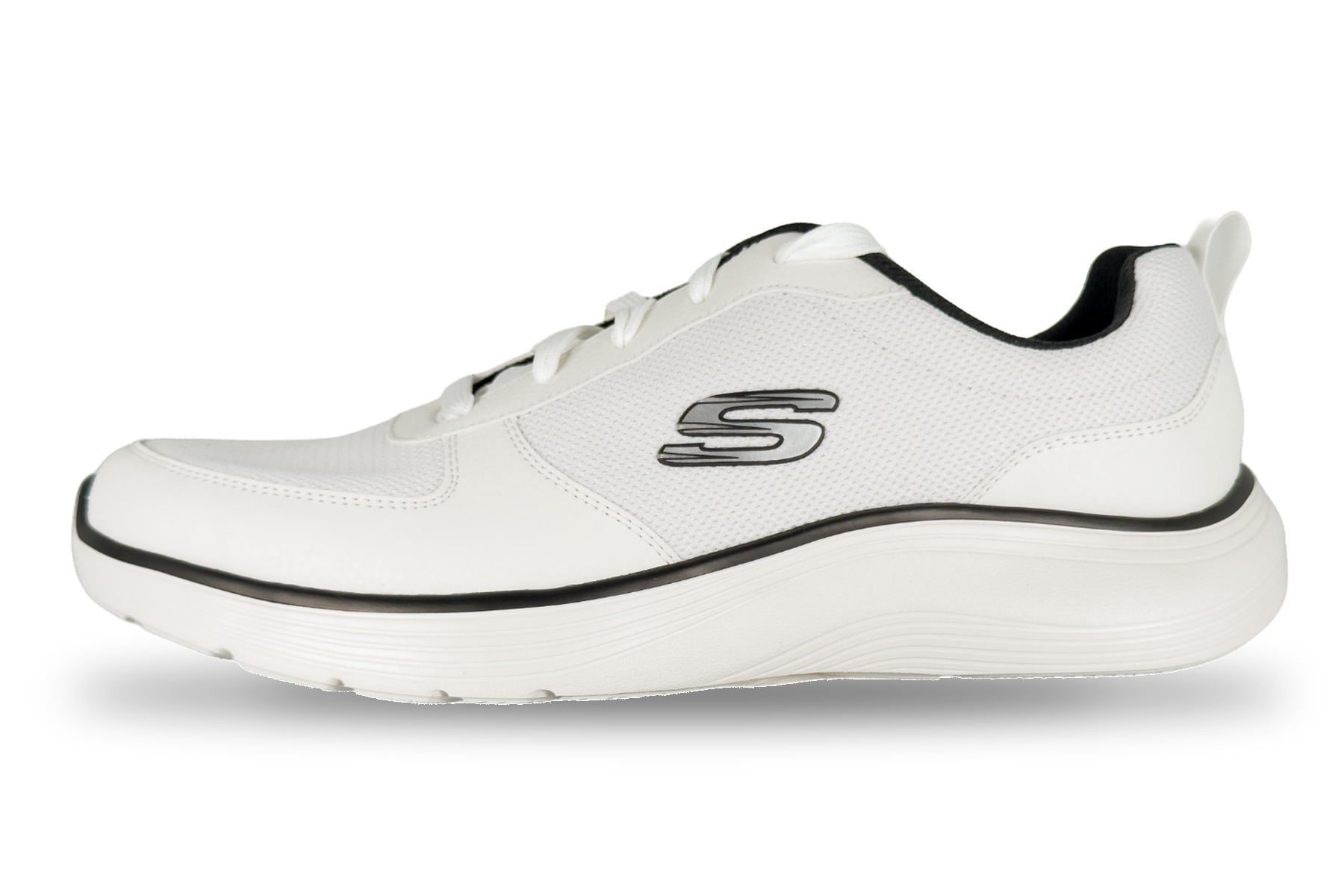
Skechers memory foam technology has become a standard reference in healthcare footwear precisely because it performs well for extended duration. The Skechers Men’s Memory Foam Sneaker in White/Black ($48.99) and the Skechers Relaxed Fit Memory Foam Sneakers in Black ($45.99) both deliver that all-day cushioning in a price range that’s accessible as clearance sneakers. These are the kinds of best walking sneakers that earn their reputation on the floor of a hospital unit.
Running Shoe Technology for Healthcare
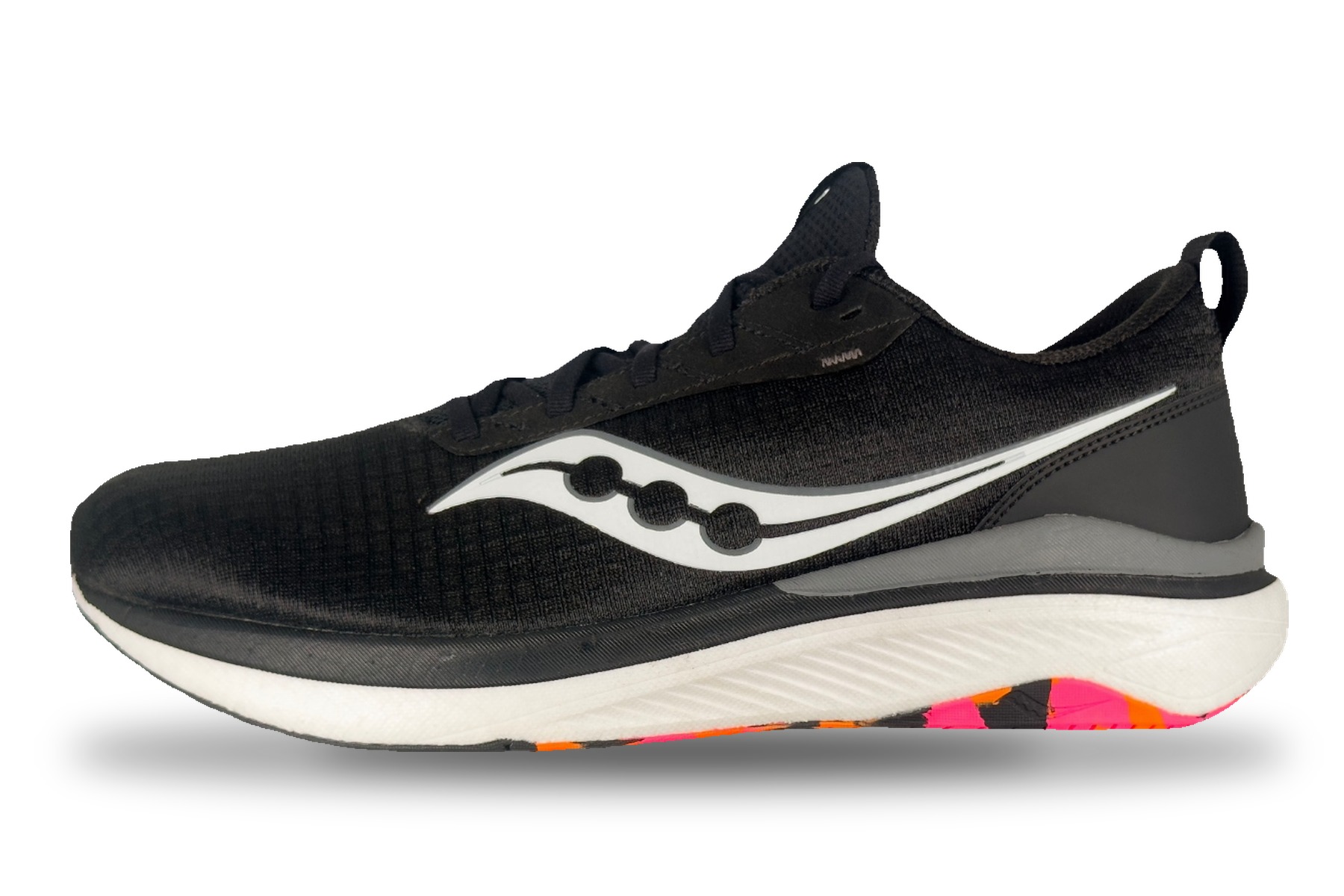
Running shoes designed for high-mileage training also translate well to healthcare work. The Saucony Freedom Crossport Men’s Running Shoe in Black/White ($62.99) uses responsive midsole foam that returns energy with each step rather than just absorbing it passively. This reduces cumulative fatigue and keeps your legs fresher through the back half of a long shift. It’s a step up in price from the Skechers options, but the cushioning technology is also a step up.
Slip Resistance in Hospital and Clinical Settings
Slip resistance is non-negotiable for healthcare workers. Hospital floors — especially in areas where fluids are frequently present — can become extremely hazardous. Many healthcare employers explicitly require slip-resistant footwear as part of their safety policy, and for good reason.
A proper slip-resistant outsole uses a rubber compound and tread pattern specifically designed to maintain contact on wet surfaces. This isn’t the same as a typical sneaker outsole — most athletic shoes aren’t tested or rated for wet floor performance. Look for shoes explicitly marketed with slip resistance or tested to ASTM F1677 or SATRA TM144 standards.
The full collection of non-slip sneakers at Zneakers includes options purpose-built for clinical-level slip resistance. These are the same footwear solutions used in restaurant kitchens — environments that match or exceed hospital floors in wet-surface hazard level.
Slip-Ons for Convenience
The slip-on design has practical advantages in healthcare that go beyond convenience. When you’re putting on shoe covers repeatedly, or taking shoes off in a decontamination area, or transitioning between areas with different footwear requirements, a slip-on significantly reduces friction. The Skechers Slip Resistant Relax Fit Slip-on at $49.99 is one of the best all-around options combining slip resistance, memory foam, and slip-on convenience.
Lightweight Design to Reduce Fatigue
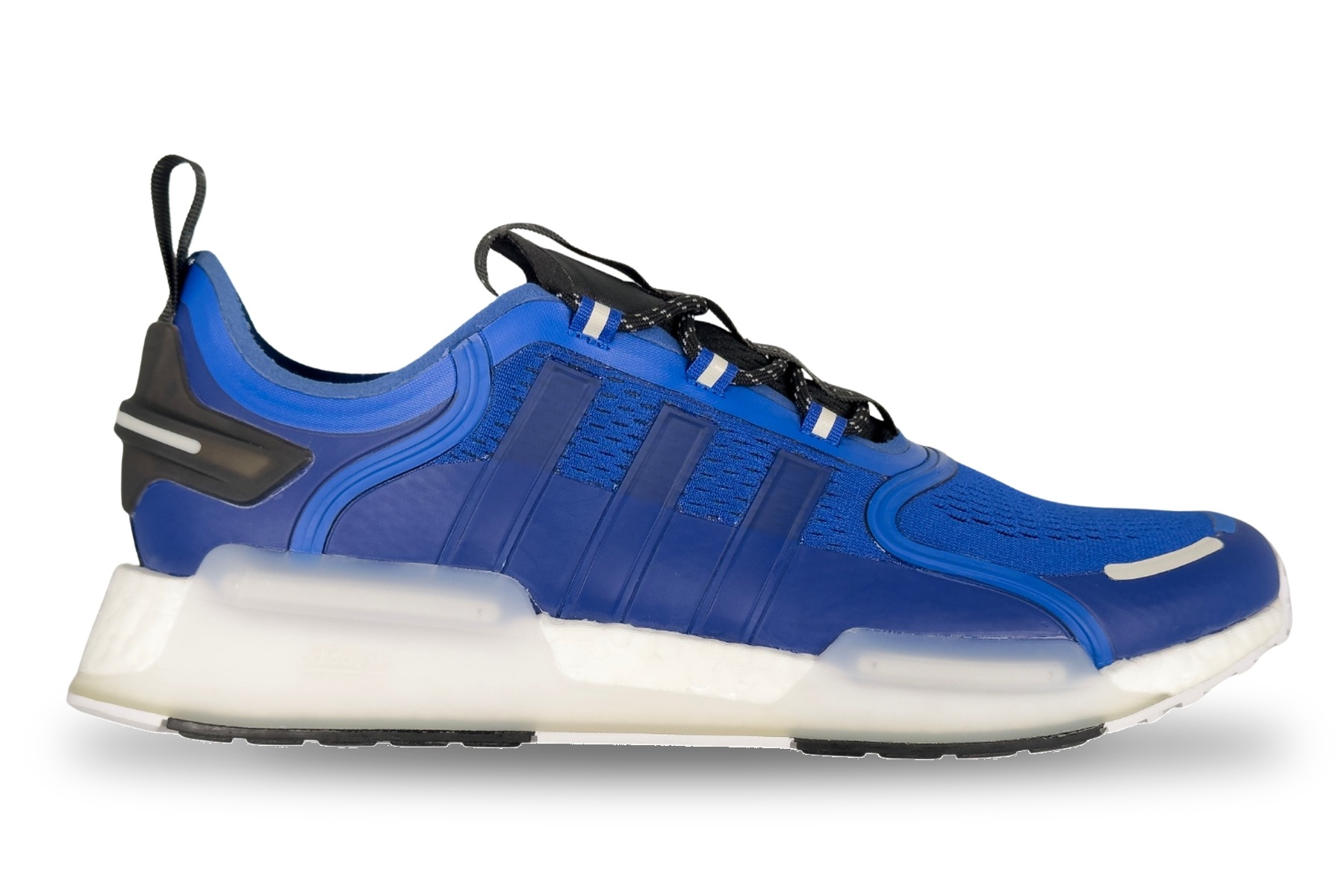
Weight is an underappreciated factor in healthcare footwear. Over the course of a 12-hour shift, even a one-ounce difference per shoe adds up to thousands of grams of extra lifting. Heavier shoes accelerate leg fatigue and contribute to the exhaustion that makes the end of a long shift feel brutal.
Modern foam technology has allowed significant weight reduction without sacrificing cushioning. Running shoes from performance brands are often lighter than traditional nursing clogs while offering equal or superior cushioning. The Saucony Freedom Crossport is a particularly lightweight option. The Skechers SKX Slip-Ins design also prioritizes minimal weight.
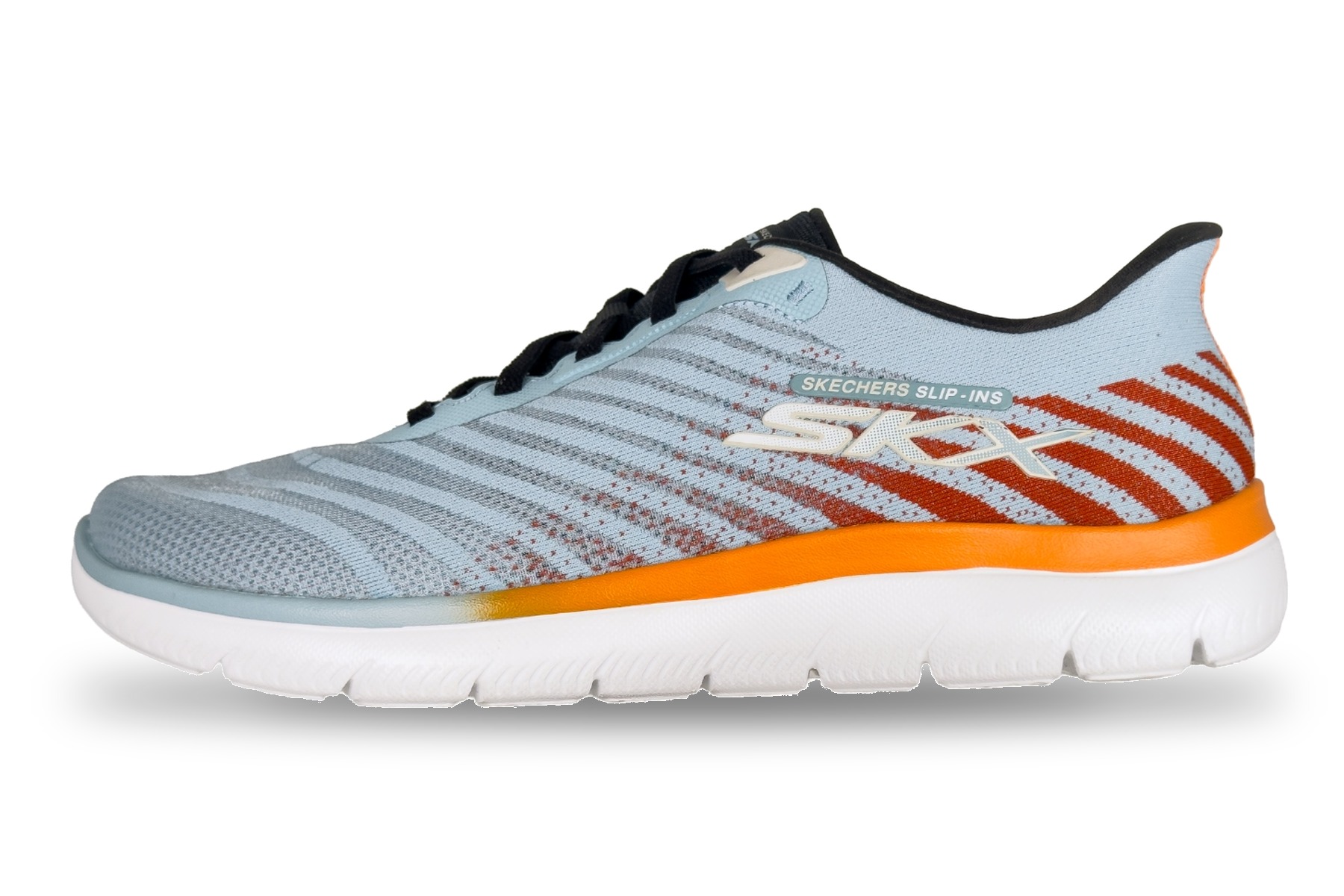
The Skechers Men’s SKX Slip-Ins Sneaker in Light Blue/Black ($48.99) uses Skechers’ Slip-In technology — a self-seating heel design that lets you slide the shoe on without hands and locks it securely when you stand. It’s a surprisingly practical innovation for healthcare workers who often have to deal with footwear while their hands are otherwise occupied.
How to Find Affordable Healthcare Sneakers
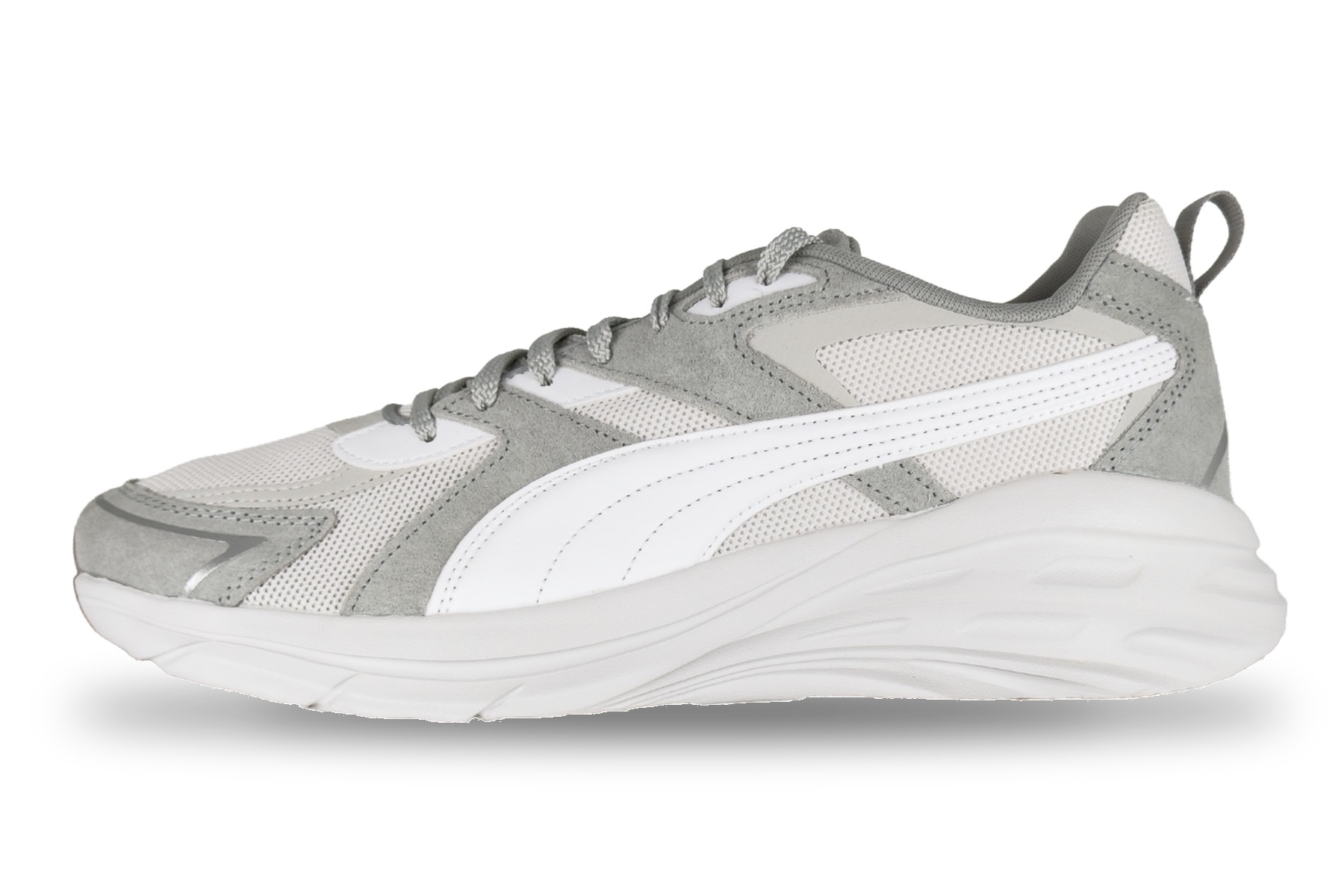
Medical professionals aren’t always highly paid — especially early in careers, in support roles, or in community health settings. Paying $120 to $150 for specialty nursing clogs every 6 to 8 months is a real expense. The alternative isn’t buying cheap shoes — it’s buying quality brand-name shoes at clearance prices.
Zneakers stocks brand-name medical professional sneakers at up to 80% off retail, with free nationwide shipping. The Skechers memory foam and slip-resistant options come in under $50. The Saucony Freedom Crossport is available at $62.99. These are the same quality products sold in specialty nursing shoe stores — just priced like clearance, because they are clearance. Browse the clearance sneakers under $50 section for the best starting-point options.
Q&A: Sneakers for Healthcare Workers
What shoes do healthcare workers wear?
Healthcare workers typically wear nursing clogs, athletic sneakers with slip-resistant soles, or purpose-built healthcare footwear. The trend has moved significantly toward athletic-style sneakers because they offer better cushioning and support for long shifts than traditional clogs — while still meeting the slip resistance, cleanability, and comfort requirements of the clinical environment. Brands like Skechers, Saucony, and New Balance are popular in healthcare settings for these reasons.
Do healthcare workers need slip-resistant shoes?
Yes — and in many healthcare facilities, it’s a formal policy requirement. Hospital floors become slick from cleaning solutions, spills, and tracked-in moisture. A slip-resistant outsole tested for wet surface performance is a basic safety feature for anyone working in a clinical environment. Skechers’ slip-resistant line is specifically designed for this, and several options are available under $50 at Zneakers.
Are white sneakers required for healthcare?
Not anymore in most facilities, though some older institutions and certain departments still prefer or require white footwear. Most hospitals and clinical settings today allow any professional, clean-looking sneaker in any neutral color. Black, grey, and navy are widely accepted. White shoes remain popular in some areas — particularly nursing — because discoloration is visible and prompts more frequent cleaning, which is genuinely a hygiene advantage. Check your specific facility’s policy.
How often should healthcare workers replace shoes?
Every 6 to 12 months for regular shift workers, sooner for those working frequent doubles or unusually high-movement roles. The key indicator isn’t visible wear — it’s how the cushioning feels compared to when the shoe was new. When the midsole feels noticeably harder and flatter, it’s no longer protecting your joints regardless of how the upper looks. Buying clearance brand-name sneakers makes frequent replacement much more affordable.
Where can I find affordable healthcare sneakers?
Zneakers.com is the best source for brand-name healthcare sneakers at clearance prices. The inventory includes Skechers slip-resistant and memory foam options, Saucony running shoe-style sneakers, and more — all up to 80% off retail, all shipping free nationwide. Everything is 100% new and authentic, not seconds or refurbished. Browse clearance sneakers at Zneakers and filter by price, color, or brand to find the right fit for your clinical environment.
Get brand-name sneakers built for long shifts — up to 80% off retail, free nationwide shipping on every order.
Shop Sneakers Under $50 →